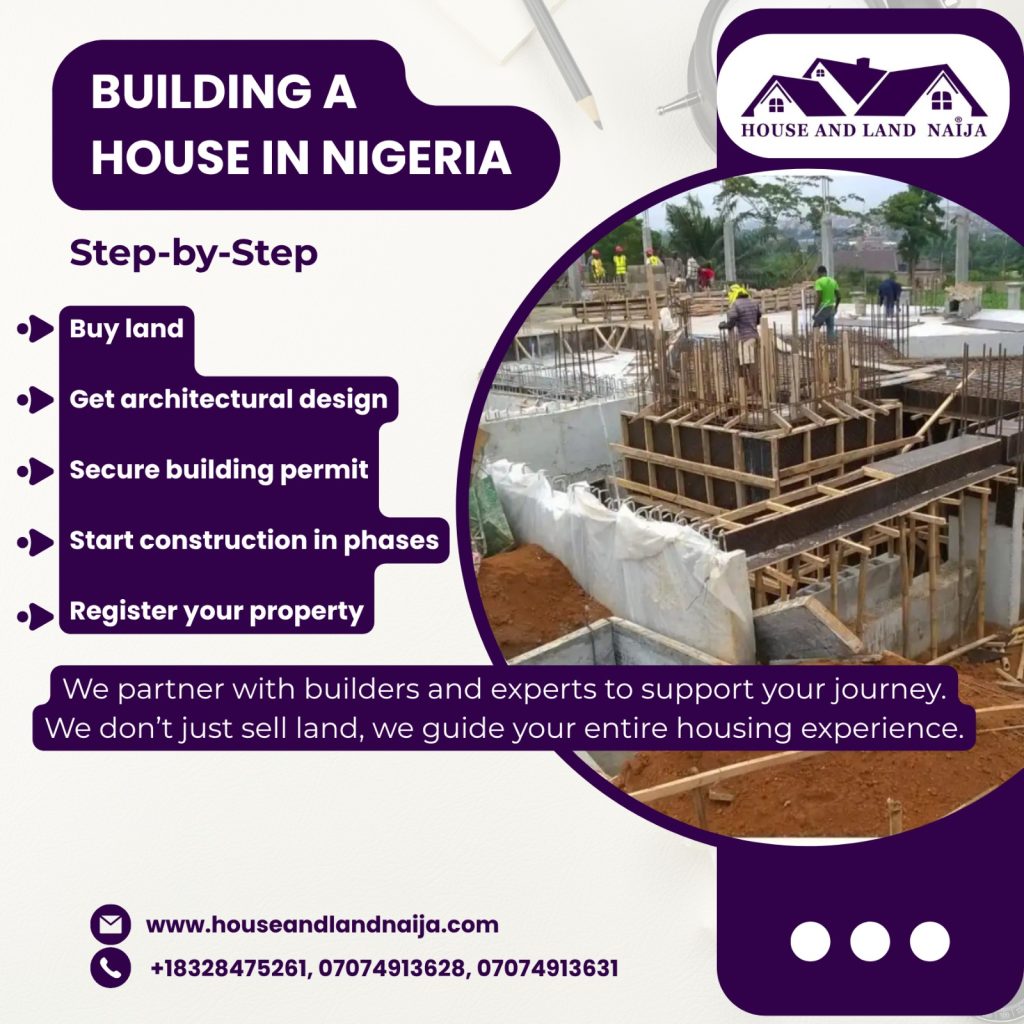
 Build in Nigeria
Benefits of Investing in Nigeria as a Diaspora
Benefits of Investing in Nigeria as a Diaspora Nigerian
House and Land Naija — Bridging Global Nigerians with Home Opportunities
Investing back home is one of the most powerful financial decisions a Diaspora Nigerian can make. Beyond emotional connection, Nigeria offers high-growth opportunities in real estate, agriculture, and business development.
1. High Return on Investment
Nigeria’s real estate market offers significantly higher ROI compared to many developed countries. Rapid urbanization and housing demand create strong rental and resale value growth.
2. Currency Advantage
Diaspora investors earn in stronger currencies like USD, GBP, or EUR while investing in naira-denominated assets. This gives them purchasing power advantage and higher asset accumulation.
3. Growing Real Estate Demand
Nigeria has a housing deficit estimated in millions of units. Cities like Lagos, Abuja, and Port Harcourt are expanding rapidly, increasing land and property value.
4. Passive Income Opportunities
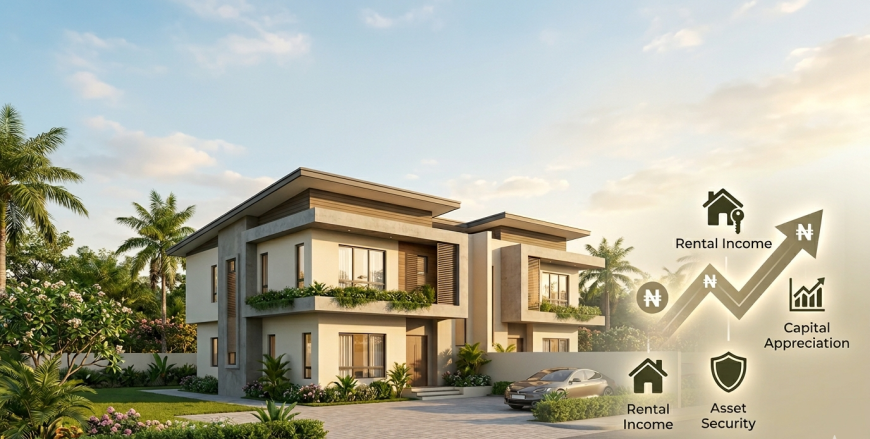
Rental properties, short-let apartments, and commercial spaces provide steady monthly income streams. With proper management, diaspora investors can earn without physically managing properties.
5. Long-Term Wealth Protection
Real estate in Nigeria acts as a hedge against inflation and currency volatility. Land and property values typically appreciate over time, protecting wealth across generations.
6. Easy Remote Investment Models
- Verified property listings
- Virtual property inspections
- Trusted local agents and partners
- Secure payment structures
7. Emotional & Heritage Value
Investing in Nigeria allows diaspora Nigerians to maintain a strong connection to their roots, build generational assets, and secure a home base for future return.
 Build in Nigeria
Why Real Estate Is Still the Best Investment in Nigeria
Why Real Estate Is Still the Best Investment in Nigeria
Secure your future, build wealth, and invest wisely with trusted property opportunities.
Real estate has remained one of the most trusted ways to build wealth in Nigeria. While many investment options rise and fall with market trends, property continues to stand strong because land and housing are basic human needs. People will always need places to live, do business, farm, build, rent, and invest.
For Nigerians at home and in the diaspora, real estate is not just about buying land or houses. It is about securing the future, protecting money from inflation, creating passive income, and building long-term wealth.
1. Real Estate Protects Your Money from Inflation
In Nigeria, the value of money can reduce over time because of inflation. What ₦10 million could buy a few years ago may not buy the same thing today. This is why keeping large amounts of money idle in the bank may not always be the best decision.
Real estate helps protect your money because property values often increase over time. A piece of land bought today in a developing area can become much more valuable in a few years as roads, schools, estates, shopping centres, and other developments come into the area.
Investment Tip: Real estate can serve as a strong hedge against inflation when you buy in the right location with proper verification.
2. Land Is Limited, but Demand Keeps Growing
One of the strongest reasons real estate remains valuable is simple: land does not increase, but population does.
Nigeria has a growing population, and more people need homes, offices, shops, warehouses, schools, event centres, and other property-related spaces. As cities expand and new locations develop, the demand for land and housing continues to rise.
This demand creates opportunities for smart investors who buy early in promising locations.
3. Real Estate Can Generate Passive Income
Real estate is not only for resale. It can also create steady income. A well-located property can give you monthly, yearly, or seasonal income depending on how it is used.
You can earn from:
- Residential rent
- Short-let apartments
- Commercial shops
- Office spaces
- Warehouses
- Event centres
- Farmland leasing
- Joint venture property development
This is one reason many investors prefer real estate, because it can work for them even when they are not actively working every day.
4. Property Value Can Appreciate Over Time
One of the biggest advantages of real estate investment is capital appreciation. This simply means the value of your property can increase over time.
For instance, a plot of land bought in a developing area may increase in value after major road construction, estate development, government projects, or commercial activity begins around that location.
This is why location research is very important before buying any property. The right location can make a major difference in your future returns.
5. Real Estate Is a Tangible Asset
Unlike some investments that exist only on paper or online, real estate is physical. You can see it, visit it, inspect it, fence it, build on it, rent it out, or sell it.
This gives many investors peace of mind. For Nigerians in the diaspora, owning land or property back home also creates emotional and financial security. It gives them a strong connection to home while also helping them build lasting wealth.
6. Real Estate Can Be Passed Down to the Next Generation
Real estate is one of the most powerful ways to create generational wealth. A property bought today can serve your children and family in the future.
It can become a family home, rental property, business property, or an asset that can be sold when needed. This makes real estate more than just an investment. It becomes a legacy.
7. Real Estate Offers Different Entry Levels
Many people think real estate is only for the very rich, but that is not always true. There are different ways to enter the property market depending on your budget.
You can start with:
- Land in a developing area
- Installment payment property
- Small rental apartments
- Joint property investment
- Buying and reselling land
- Renovating old buildings for rental income
The key is to start wisely, verify properly, and work with trusted real estate professionals.
8. Real Estate Supports Business Growth
Real estate is also useful for entrepreneurs and business owners. Owning property for your business can reduce rental pressure and increase your company’s asset value.
A business that owns its office, warehouse, showroom, or shop has more stability than one that depends completely on rented space.
This is why many smart business owners invest in property as part of their long-term financial strategy.
9. The Nigerian Property Market Still Has Strong Opportunities
Despite economic challenges, real estate in Nigeria continues to offer opportunities. Areas that were once considered far or undeveloped are now becoming active investment zones because of road expansion, urban migration, estate development, and commercial growth.
However, investors must be careful. Real estate is profitable, but only when done properly. Buying without verification, proper documents, or professional guidance can lead to serious losses.
This is where due diligence becomes very important.
10. Work With Trusted Real Estate Professionals
The best real estate investment is not just the one with a cheap price. It is the one that is properly verified, legally safe, fairly valued, and suitable for your goal.
Before buying land or property in Nigeria, always confirm:
- The title document
- The true owner or seller
- The location and access road
- Government acquisition status
- Survey plan
- Family or community claims
- Resale or rental potential
- Development plans around the area
At House and Land Naija, we help buyers, investors, and Nigerians in the diaspora make safer and smarter real estate decisions. Our focus is to connect clients with verified properties, true value, and reliable stakeholders.
Conclusion
Real estate remains one of the best investments in Nigeria because it offers long-term value, income potential, protection against inflation, and generational wealth.
Whether you are buying your first plot of land, investing in rental property, or searching for a secure home in Nigeria, the most important thing is to make informed decisions.
Do not just buy because a property is cheap. Buy because it is verified, valuable, and aligned with your investment goal.
Looking for Verified Real Estate Opportunities in Nigeria?
Contact House and Land Naija today for trusted property guidance, verified listings, and smart real estate investment support.
House and Land Naija — True Properties. True Value. True Stakeholders.
 Build in Nigeria
Property as a Long-Term Asset, Not a Quick Flip
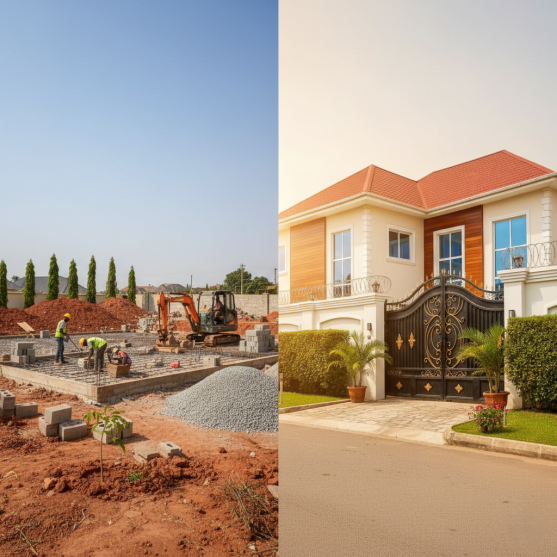
A few years ago, Akin, a young Nigerian professional living in Tokyo, Japan, proudly bought his first apartment in Abuja. His plan was simple: renovate slightly, resell quickly, and move on to the next deal. He, like many other Nigerians, did not view property as a long-term asset; it was just a means to make quick money.

But the market didn’t move as fast as he expected. Buyers negotiated aggressively. Holding costs increased. What was meant to be a quick profit turned into months of waiting.
Eventually, instead of selling, Akin rented the property out. Years later, that same apartment — held patiently — appreciated far beyond what the original flip would have earned. That’s the quiet power of viewing property as a long-term asset instead of a quick flip.
READ MORE: Rental Income in Nigeria: What People Don’t Talk About Before Investing
Property as a Long-Term Asset Builds Stability
When you approach property as a long-term asset, your decisions change.
You care more about:
- infrastructure growth
- rental demand
- structural quality
- long-term livability
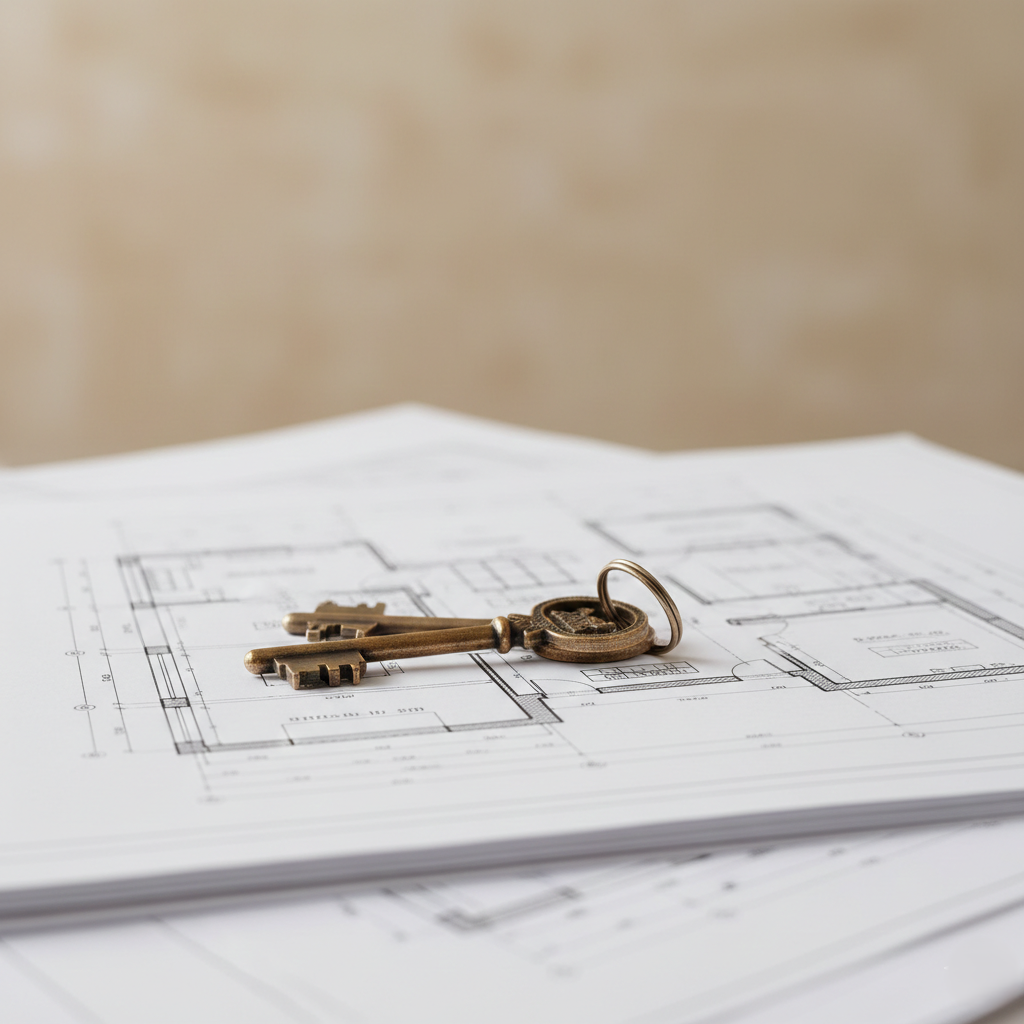
Instead of chasing short-term price differences, you focus on durability and location fundamentals. In Nigeria, where markets fluctuate and development unfolds gradually, patience often outperforms urgency.
Property as a Long-Term Asset Reduces Pressure
Quick flips depend heavily on timing. If market demand slows, profits shrink. But property as a long-term asset allows time to work in your favor.
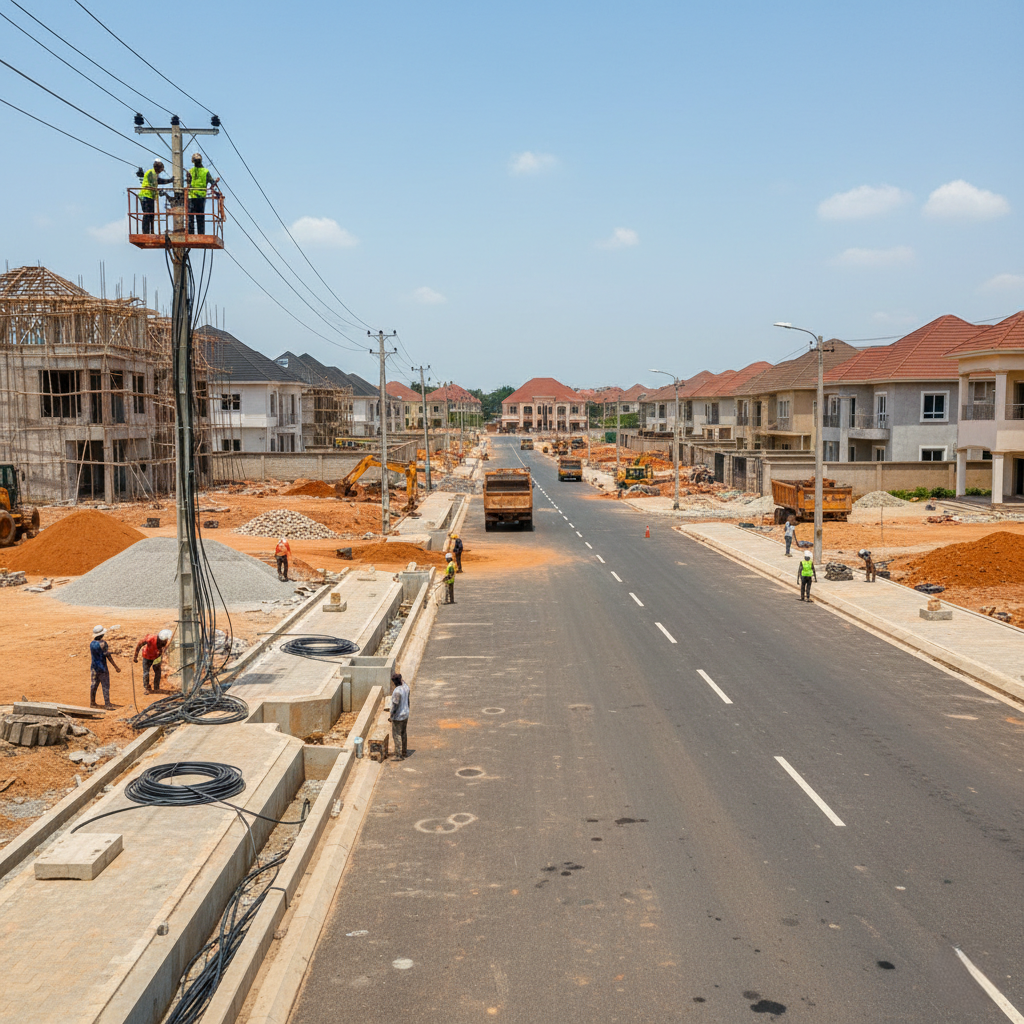
Rental income supports holding costs. Infrastructure projects increase surrounding value. Population growth strengthens demand.
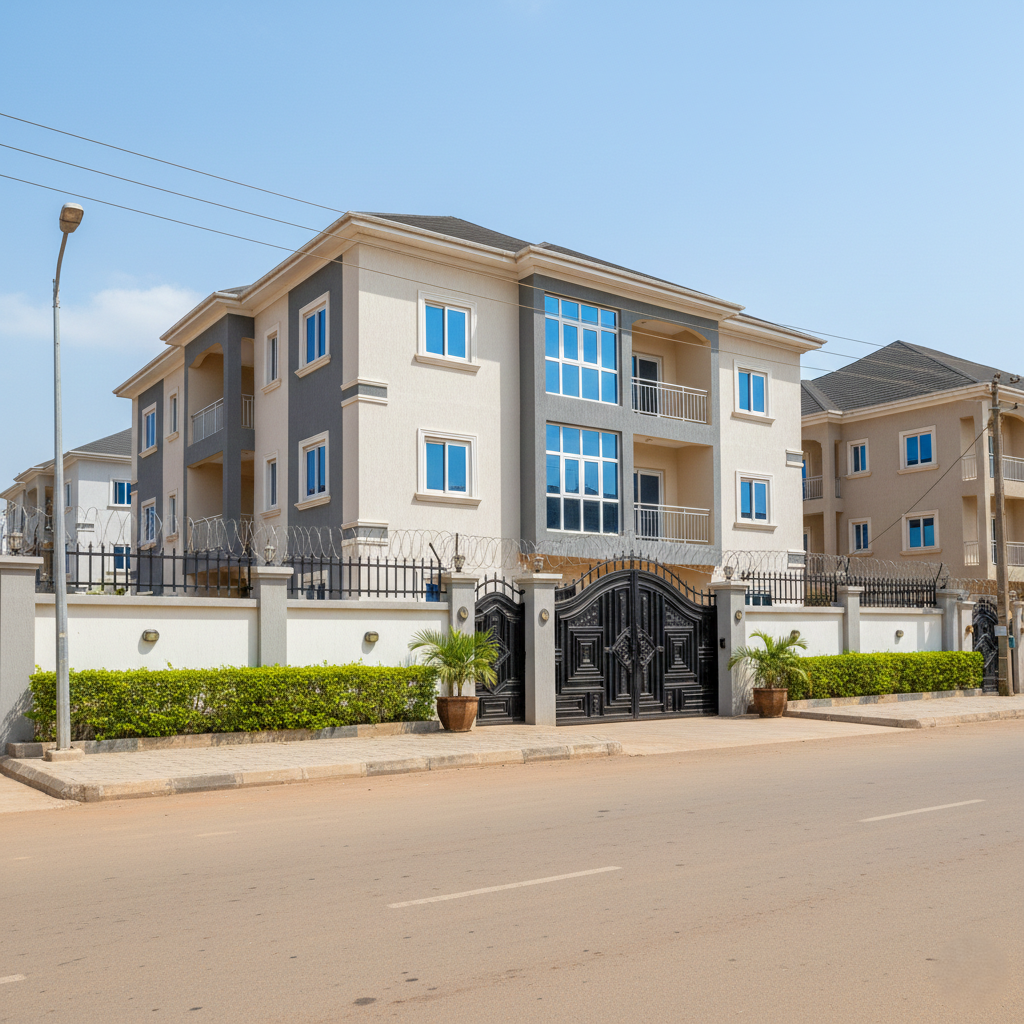
Long-term ownership absorbs temporary market slowdowns better than short-term speculation.
Property as a Long-Term Asset Encourages Better Choices
When flipping, cosmetic upgrades often take priority. When investing long-term, quality matters more than appearance.
Stronger foundations. Reliable plumbing. Durable roofing. Sustainable maintenance plans.
When you buy property that you intend to own in the long-term rewards thoughtful construction and consistent upkeep — not shortcuts.
The Quiet Advantage of Time
Nigeria’s real estate history shows something consistent: well-located properties held over time tend to appreciate. Not overnight. Not dramatically every year. But steadily.
Many seasoned investors will admit this privately: their best-performing properties were the ones they almost sold too early.
A Different Way to Measure Success
The young investor who planned a quick flip now sees his property differently. It provides steady rental income. Its value has grown. And it offers flexibility — sell when ready, not when pressured.
Property as a long-term asset isn’t about avoiding profit. It’s about building it sustainably.
IN OTHER NEWS: Your Property, Perfectly Managed
A Thought Before Your Next Purchase
Ask yourself: Am I buying for speed — or for stability?

Because the strategy you choose shapes the outcome you get.
Keep The Right Focus
If you’re considering property investment, think beyond short-term gains. Focus on structure, location, and sustainability.
A long-term mindset often builds stronger returns — and greater peace of mind.
 Build in Nigeria
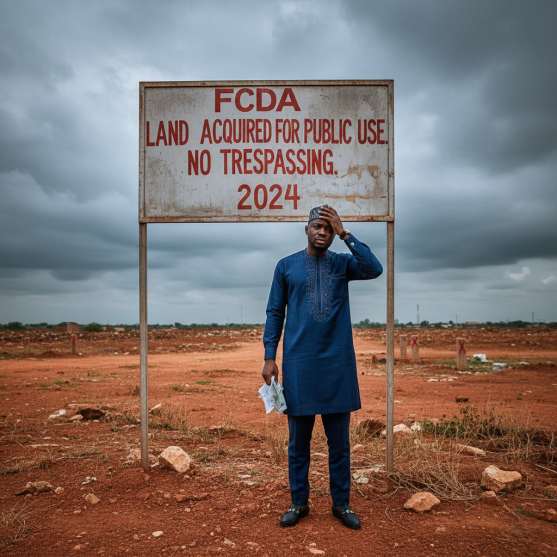
Why “Cheap Land” Is the Most Expensive Mistake Nigerians Make When Buying Land in Nigeria!
When Sadiq clicked “Send” from his apartment in Abu Dhabi, he smiled. He had been thinking of buying land in Nigeria for a long while. After twelve years of night shifts and missed family gatherings, he was finally buying land back home.
A full plot. Good location. ₦1.6 million.
The agent sounded confident. The pictures looked clean. The documents were neatly scanned.
“This is your breakthrough,” Sadiq told himself.
For weeks, he imagined it. A modest bungalow. A place his parents could retire to. A future he could touch.
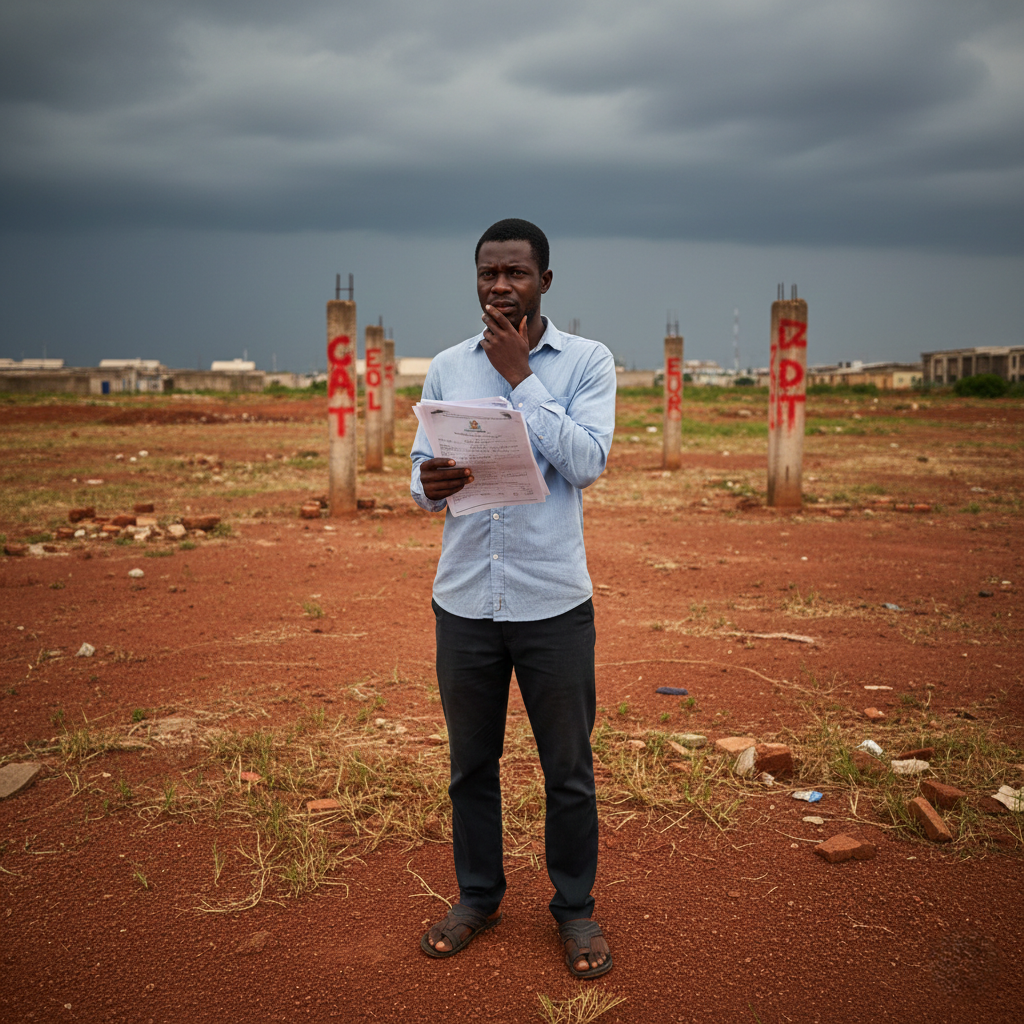
Then the call came. Not from the agent. From a friend in Minna who had gone to inspect the land.
“Bro… there’s a problem.”
Silence followed. Red paint splashed across concrete pillars. Government codes scribbled boldly.
ACQUIRED.
In that moment, Sadiq felt something heavier than loss. He felt foolish. Because the land was cheap. And cheap had cost him everything.
This is the painful truth many Nigerians discover too late when buying land in Nigeria.
READ MORE: Things to Check Before Buying Land in Nigeria: A Complete Buyer’s Guide
WHY CHEAP LAND ATTRACTS BUYERS
Let’s be honest. Land prices are high. Income is pressured. Everyone wants a “good deal.”
So when cheap land appears, it feels like opportunity. But in Nigeria, cheap land is rarely cheap by accident. There is usually a reason.
THE HIDDEN PROBLEMS BEHIND CHEAP LAND IN NIGERIA
1. Government Acquisition Issues
Many cheap lands fall under:
- Federal acquisition
- State acquisition
- Pending revocation
Once government interest is involved, ownership becomes meaningless. No matter the receipt you hold.
2. Incomplete or Fake Documentation
Some lands come with:
- Invalid survey plans
- Forged family documents
- Fake excision claims
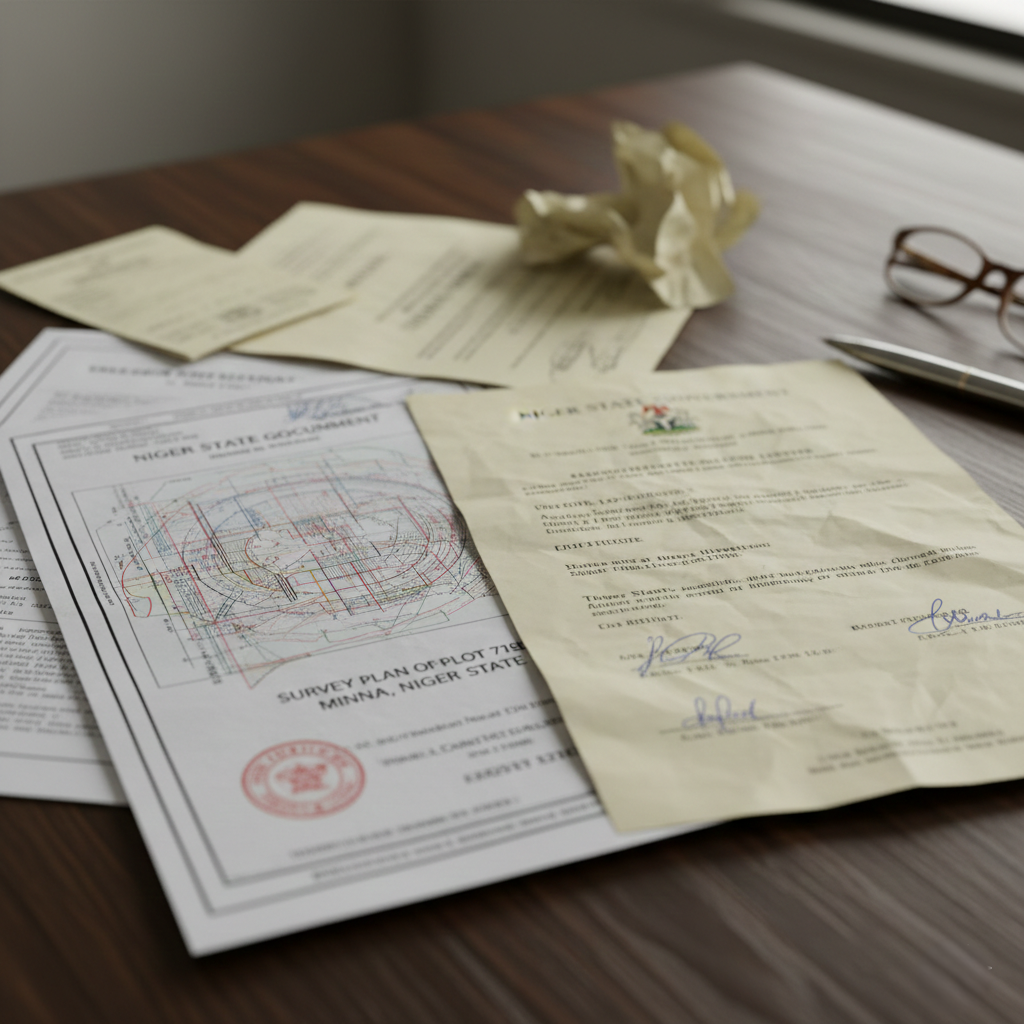
They look convincing. Until verification begins. And by then, the money is gone.
3. Land Disputes and Multiple Claims
Cheap land often has:
- Family conflicts
- Community disputes
- Multiple sellers
You buy from one party. Another party shows up later. With better claims.
4. Location and Access Risks
Some cheap lands are cheap because:
- Roads are not approved
- Drainage plans don’t exist
- Infrastructure will never come
You save money today. You lose value tomorrow.
WHY CHEAP LAND BECOMES EXPENSIVE
The real cost is not the purchase price.
It is:
- Legal fees
- Survey verification
- Court cases
- Demolition losses
- Emotional stress
Some buyers lose everything. Others spend years trying to “regularize” what should have been clean from day one.
HOW SMART BUYERS BUY LAND IN NIGERIA
Smart buyers don’t chase price. They chase certainty.
They:
- Verify title documents
- Confirm government status
- Inspect land physically
- Engage professionals
- Buy from trusted sources
The one truth they understand is: Safe land is always cheaper than cheap land.
WHY PROFESSIONAL GUIDANCE MATTERS
Land transactions in Nigeria are not simple.
They require:
- Legal checks
- Survey validation
- Government confirmation
- Market understanding

This is why serious buyers work with structured real estate companies. Not roadside promises. Not rushed decisions.
IN OTHER NEWS: Land Ownership And Title Disputes In Nigeria: Understanding The Land Tenure System And Title Verification
CONCLUSION
Sadiq tried again. This time, he slowed down. He asked questions. He verified everything.
The land cost more. But it stood clean. Documents checked out. Peace returned.
And that was when he truly understood:
In Nigeria, the most expensive land is the one you buy cheaply and lose.
📞 CONNECT WITH HOUSE & LAND NAIJA TODAY
🌐 Website: https://houseandlandnaija.com
📧 Email: hello@houseandlandnaija.com
📍 Our Offices
Nigeria: 9 Moses Adebajo Street, Ojodu-Berger, Lagos
USA: 8500 Frederickburgs Lane, Houston TX 77083
Canada: 102-30 El-Tassi Drive, Winnipeg MB
📞 Call Us
Nigeria: +234 707 491 3626 | +234 707 491 3631
USA: +1 (832) 847-5261
Canada: +1 (431) 990-3777
👉 What you should do:
Before you buy land, verify it.
And before you pay, confirm it.
Contact House & Land Naija today.
 Build in Nigeria
Beyond the Façade: How Nigeria’s Infrastructure Gap Impacts Your Real Estate Investment (And How to Bridge It)
Poor Infrastructure – A Threat to Your Real Estate Investments
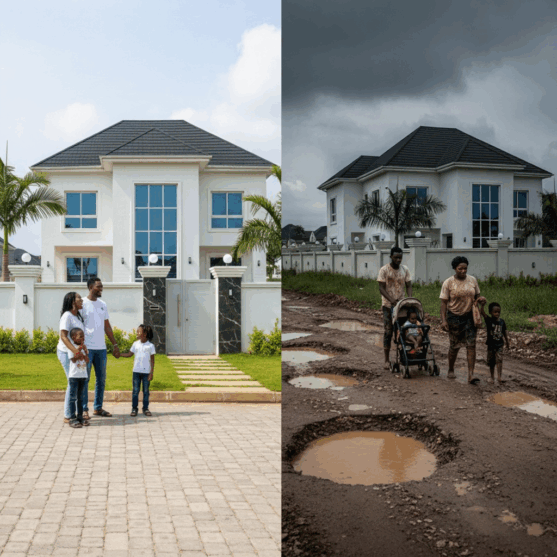
Imagine yourself in this situation: You’ve found the perfect plot of land or a beautiful new build in a seemingly promising area of Nigeria. The price is right, the layout is fantastic, and you’re envisioning years of steady returns or comfortable living. You make the purchase, excited. Then, the reality sets in. The access road is a nightmare, power is a luxury, water is a daily quest, and during the rainy season, your street becomes a river. This isn’t just an inconvenience; it’s a direct threat to your investment’s value and your peace of mind. Sadly, this scenario aptly describes how Nigeria’s infrastructure gap impacts your real estate investment!
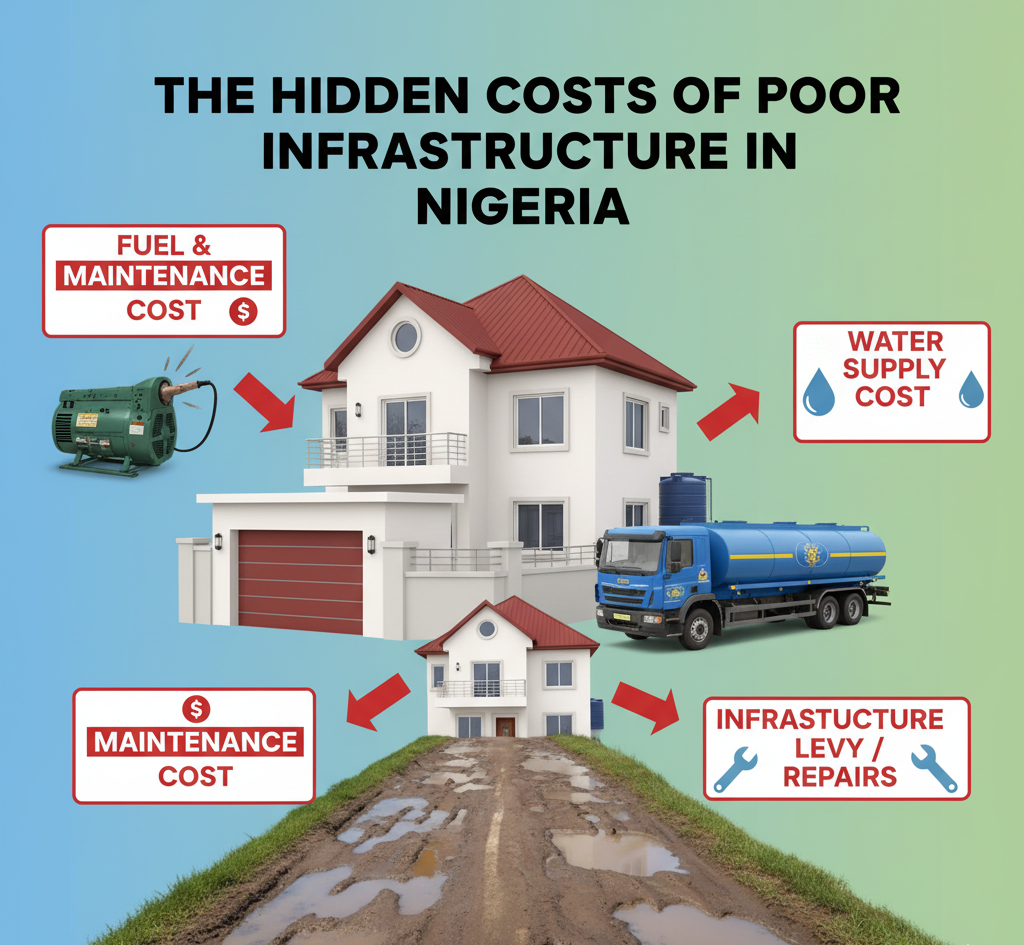
While Nigeria’s real estate market boasts immense potential, one of its most persistent and impactful challenges lies hidden, often until it’s too late: inadequate infrastructure. This isn’t merely about inconvenience; it’s a critical factor that can make or break your property investment. At House and Land Naija, we understand these nuances and are here to guide you through them.
READ MORE: Madison Apartments is Your Key to a Secure and Modern Lagos Lifestyle!
The Pervasive Problem: What We Mean by “Inadequate Infrastructure”
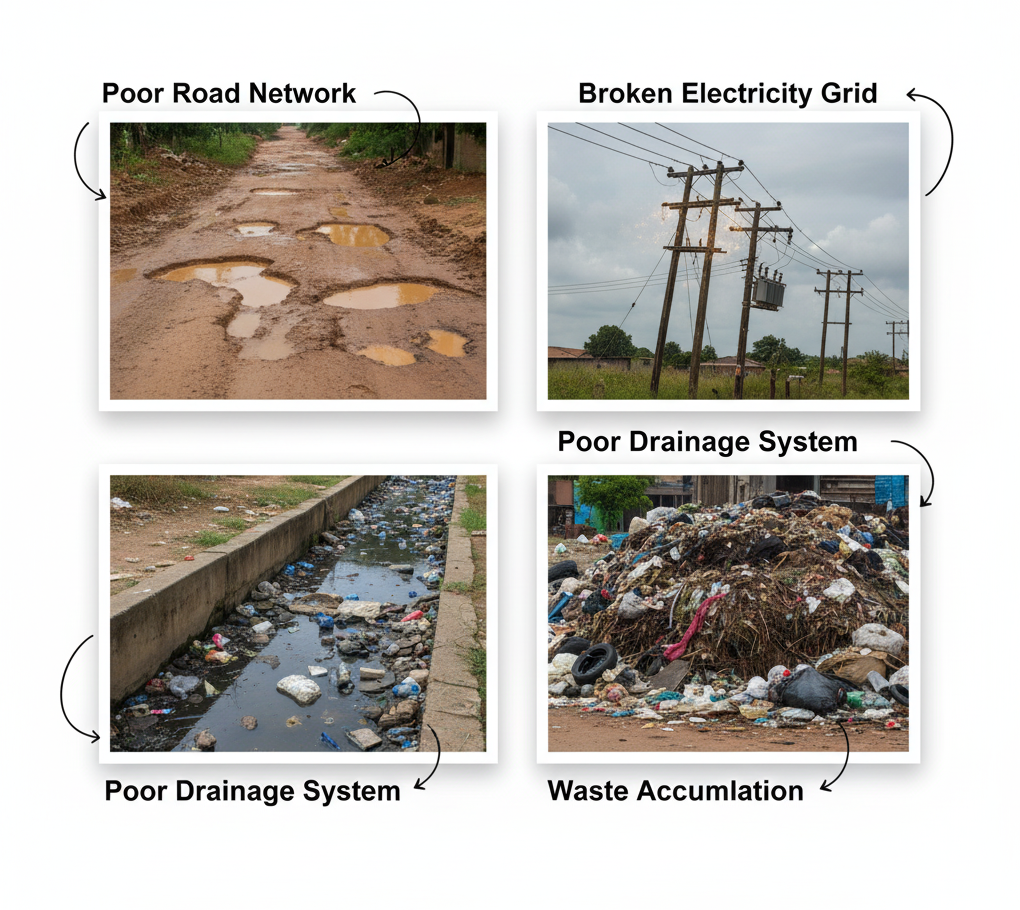
When we talk about infrastructure, we’re referring to the fundamental facilities and systems serving a country, city, or area. In Nigeria, key deficits include:
- Road Networks: Many promising areas lack paved, well-maintained roads, leading to difficult access, vehicle damage, and increased travel times. This is particularly prevalent in developing estates and peri-urban areas.
- Electricity Supply: The national grid often struggles to provide consistent power, forcing property owners to rely heavily on expensive and noisy generators or increasingly, solar power solutions.
- Water Supply: Access to potable tap water is not universal, requiring reliance on boreholes, water tankers, and private filtration systems.
- Drainage Systems: Poor or non-existent drainage is a major contributor to perennial flooding in many urban and suburban areas, damaging properties and making areas uninhabitable during rainy seasons.
- Waste Management: Inefficient waste collection and disposal systems can lead to environmental pollution and health hazards, impacting property aesthetics and value.
Expert Insight: The Hidden Costs and Value Erosion
Real estate analysts consistently point out that a lack of essential infrastructure doesn’t just reduce convenience; it directly impacts property value and increases the true cost of ownership.
“When public infrastructure is lacking, developers and homeowners are forced to become mini-governments,” explains Dr. Ngozi Okonjo, a prominent Nigerian real estate economist. “They have to build their own roads, sink boreholes, install private power solutions. These are significant upfront and ongoing costs that eat into profit margins for developers and add to the financial burden for property owners, ultimately depressing the property’s market value.”
Essentially, if you buy a property in an area with poor infrastructure, you’re not just buying the land and structure; you’re also implicitly inheriting the responsibility (and cost) of providing or supplementing these basic amenities yourself. This dramatically affects rental yields, resale value, and tenant satisfaction. This is how Nigeria’s infrastructure gap impacts your real estate investment eventually.
How to Overcome This Challenge: Strategies for Smart Investors
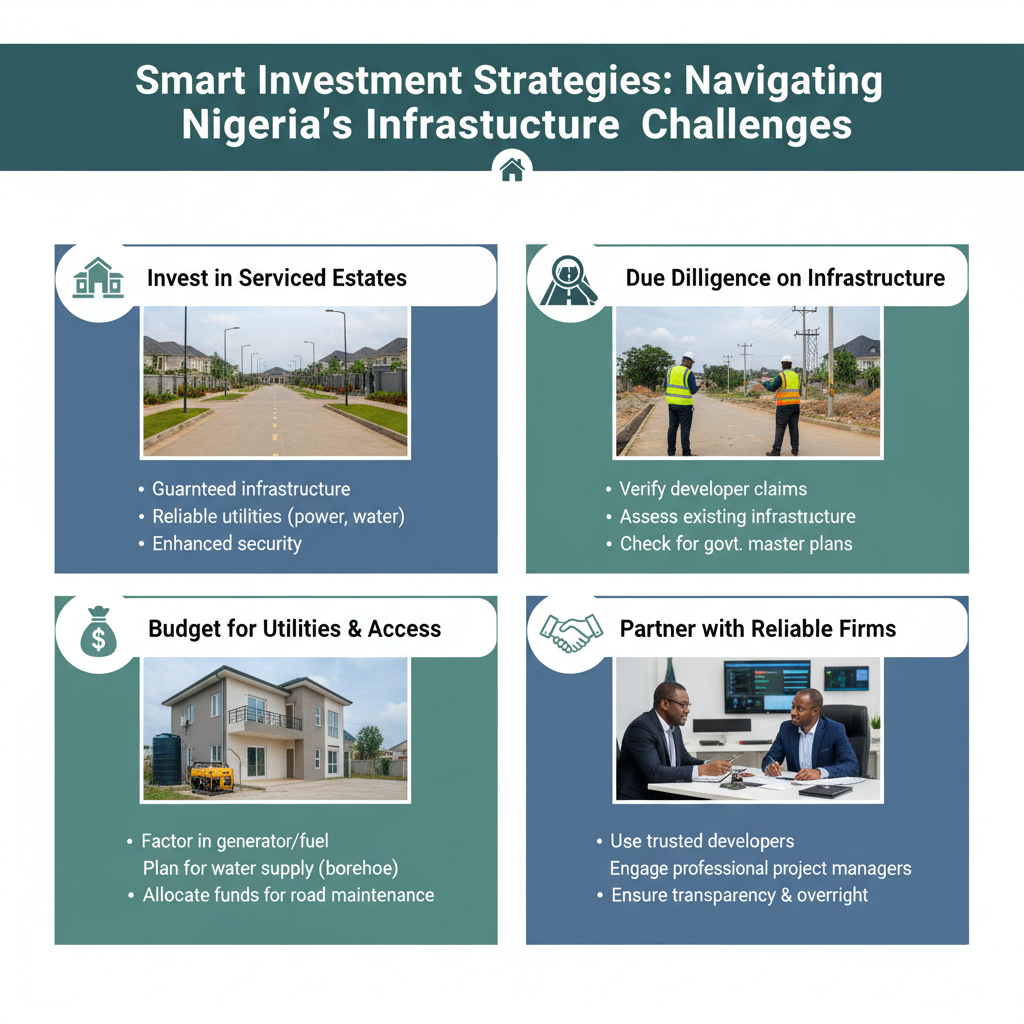
While the government continues to work on large-scale infrastructure projects, smart investors can take proactive steps to mitigate risks and even find opportunities:
- Thorough Site Inspection and Research:
- Go Beyond the Surface: Don’t just view the property during the dry season or on a sunny day. Visit the location multiple times, especially during heavy rainfall, to assess drainage and road conditions.
- Talk to Locals: Speak with existing residents. They are the best source of unfiltered information regarding the reliability of electricity, water, and security.
- Investigate Development Plans: Research local and state government development plans. Are there approved road projects, power initiatives, or water schemes slated for the area? A professional real estate consultant can help uncover this critical information.
- Budget for Independent Utilities:
- Factor in Self-Sufficiency: Assume you might need to provide some utilities. Include the cost of solar power installations, inverter systems, boreholes, water treatment plants, or reliable generator setups in your overall investment budget. This ensures your property remains functional and attractive to tenants or buyers.
- Prioritize Locations with Existing or Planned Infrastructure:
- Focus on Developed Estates: Properties within well-managed, private estates often come with better infrastructure (paved roads, streetlights, central water, security) built in by the developers. While initially more expensive, they can offer better long-term value and fewer headaches.
- Monitor Emerging Hubs: Look for areas where significant government or private sector infrastructure projects are underway or recently completed. These areas are poised for rapid appreciation.
- Consider Public-Private Partnerships (PPPs) or Community Initiatives:
- Collective Solutions: In some cases, communities or investor groups can collaborate with local governments or private firms to fund and develop localized infrastructure. While complex, these initiatives can significantly boost property values.
How House and Land Naija Can Assist You
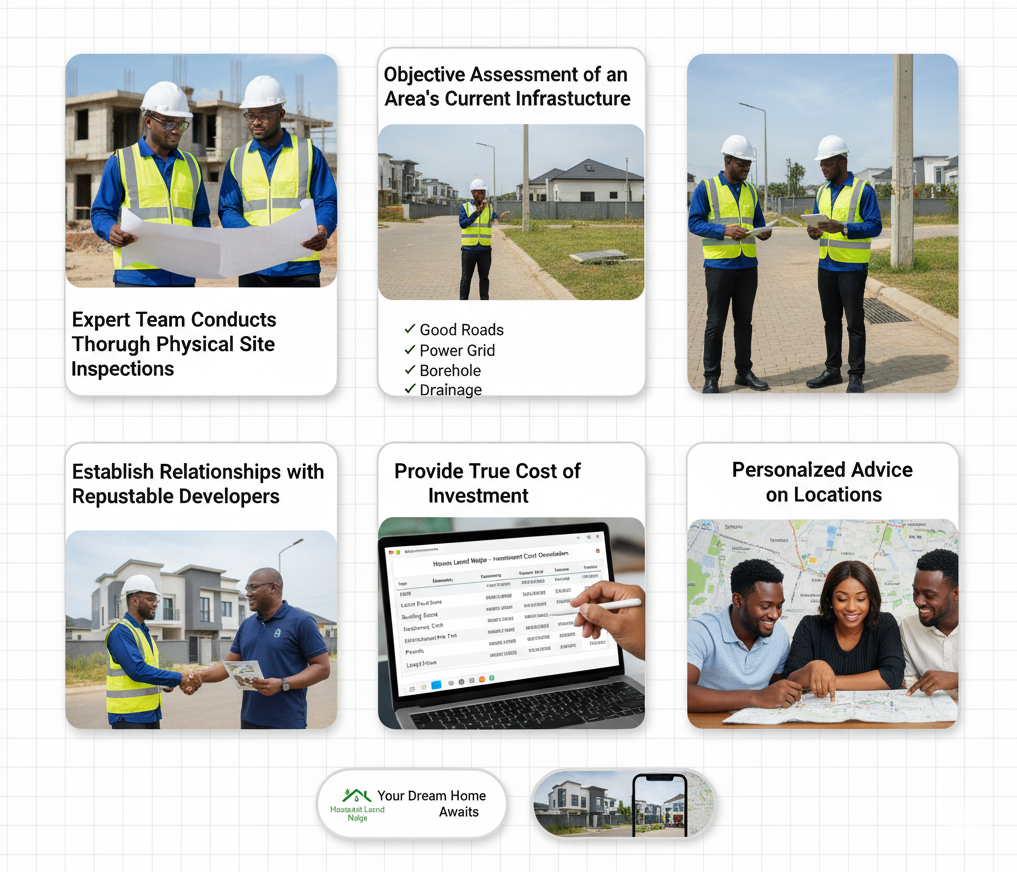
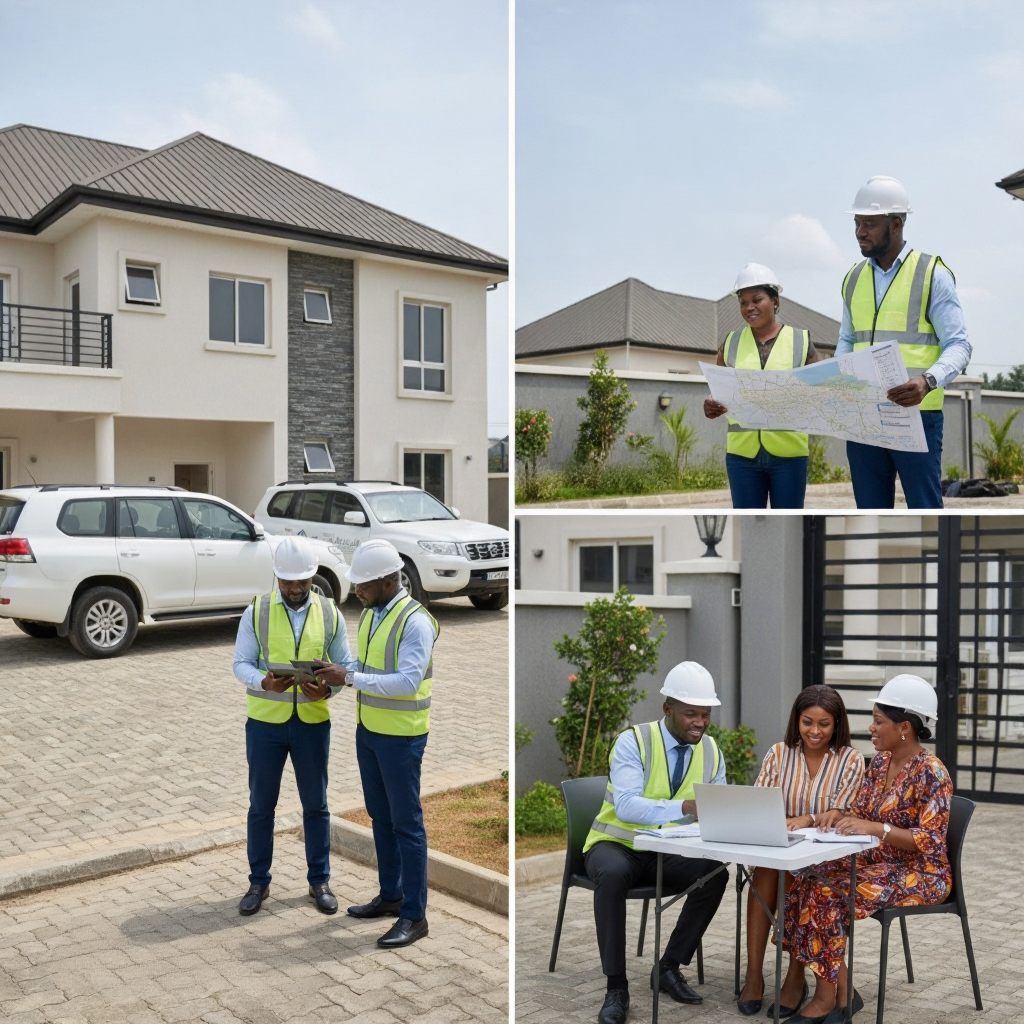
At House and Land Naija, we are more than just property brokers; we are your strategic partners in the Nigerian real estate market. We specialize in navigating these complex infrastructure challenges on your behalf:
- Deep-Dive Due Diligence: Our expert team conducts thorough physical site inspections and leverages local intelligence to assess the true state of infrastructure in your target areas, identifying potential pitfalls before you commit.
- Infrastructure Audit & Projection: We provide an objective assessment of an area’s current infrastructure and, based on our market research, project future developments, helping you make informed decisions.
- Access to Prime Estates: We have established relationships with reputable developers of well-serviced estates, offering you vetted properties that come with guaranteed infrastructure.
- Cost-Benefit Analysis: We help you understand the true cost of investment, factoring in potential expenses for supplementary utilities, so there are no surprises down the line.
- Expert Consultation: Our consultants provide personalized advice on locations that align with your infrastructure tolerance and investment goals, helping you avoid areas that might drain your resources.
IN OTHER NEWS: Building demolitions, collapses haunt real estate sector
From Panic to Power
It is clear how Nigeria’s infrastructure gap impacts your real estate investment, but don’t let inadequate infrastructure turn your dream investment into a costly nightmare. The success of your real estate venture in Nigeria hinges on a clear understanding of these foundational elements. With the right guidance, you can secure properties that not only appreciate in value but also offer the quality of life and functionality you expect.
📢 Connect with House & Land Naija Today
Ready to invest smartly and confidently in Nigeria’s real estate market? Don’t leave your investment to chance. Contact House and Land Naija today for a free consultation. Let us help you find properties in areas with the robust infrastructure you deserve, ensuring your investment stands on solid ground.
🌐 Website: https://houseandlandnaija.com
📧 Email: hello@houseandlandnaija.com
📍 Our Offices Worldwide
- Canada: 102-30 El-Tassi Drive, Winnipeg MB, Canada
- USA: 8500 Frederickburgs Lane, Houston TX 77083
- Nigeria: 9 Moses Adebajo Street, Ojodu-Berger, Lagos
📞 Call Us Anytime
- Canada: +1 (431) 990-3777
- USA: +1 (832) 847-5261
- Nigeria: +234 707 491 3626 | +234 707 491 3631
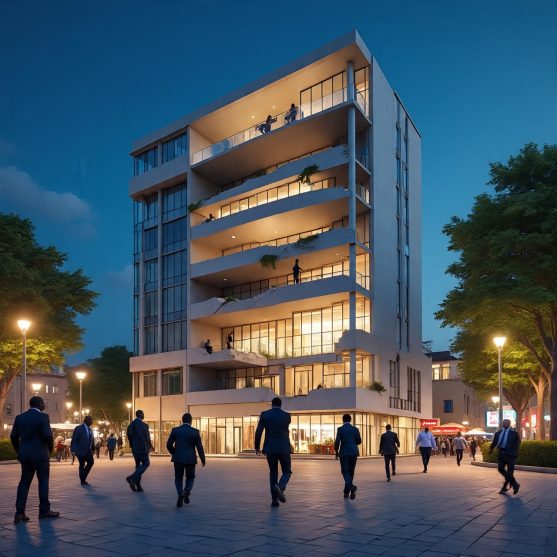
Start smart. Invest wisely. Let inflation be your stepping stone, not your stumbling block.
 Build in Nigeria
🏗️ Invest Smart, Build Safe: How to Avoid the Collapse Crisis in Nigeria
Broken Home, Broken Dreams
In 2023, Chinedu, a Nigerian tech entrepreneur living in Atlanta, sent millions of naira back home to build a dream duplex for his aging parents in Owerri. But months later, his joy turned into heartbreak: cracks snaked across the walls, ceilings sagged, and engineers soon declared the building unsafe. The culprit? Cheap materials and an unsupervised contractor who cut corners at every stage. What a sad end to his wonderful dreams! This article will guide on you on how to avoid the collapse crisis in Nigeria.
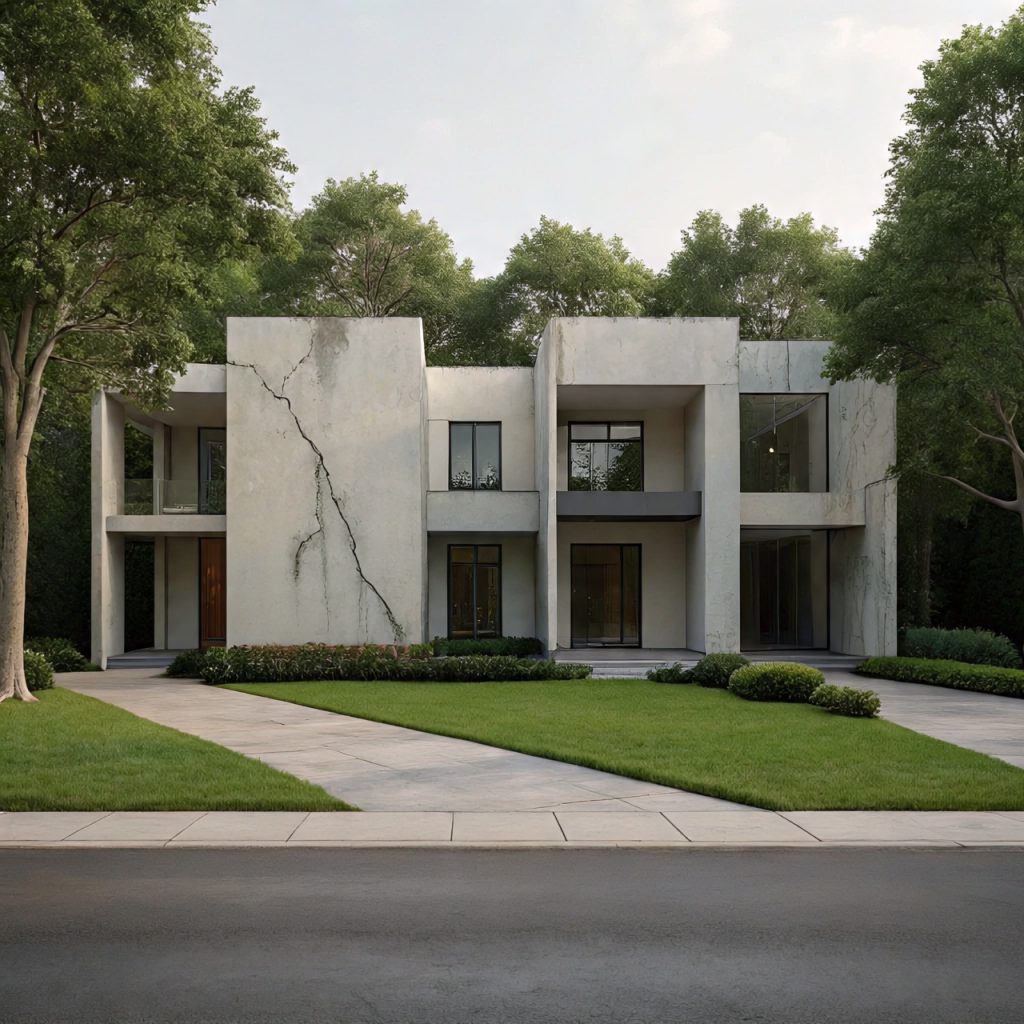
Chinedu’s story mirrors the silent crisis Nigerians at home and abroad face: buildings collapsing, dreams turning to rubble, lives lost, and hard-earned money wasted. Yet, it doesn’t have to be this way. With the right steps, you can ensure your investment stands tall, safe, and enduring — whether you live in Lagos, London, or Los Angeles.
READ MORE: Hidden Costs to Watch Out For When Buying Properties in Nigeria
Why Buildings Collapse in Nigeria — A Crisis We Must Face
- Poor design & shortcuts: Many projects ignore proper engineering calculations.
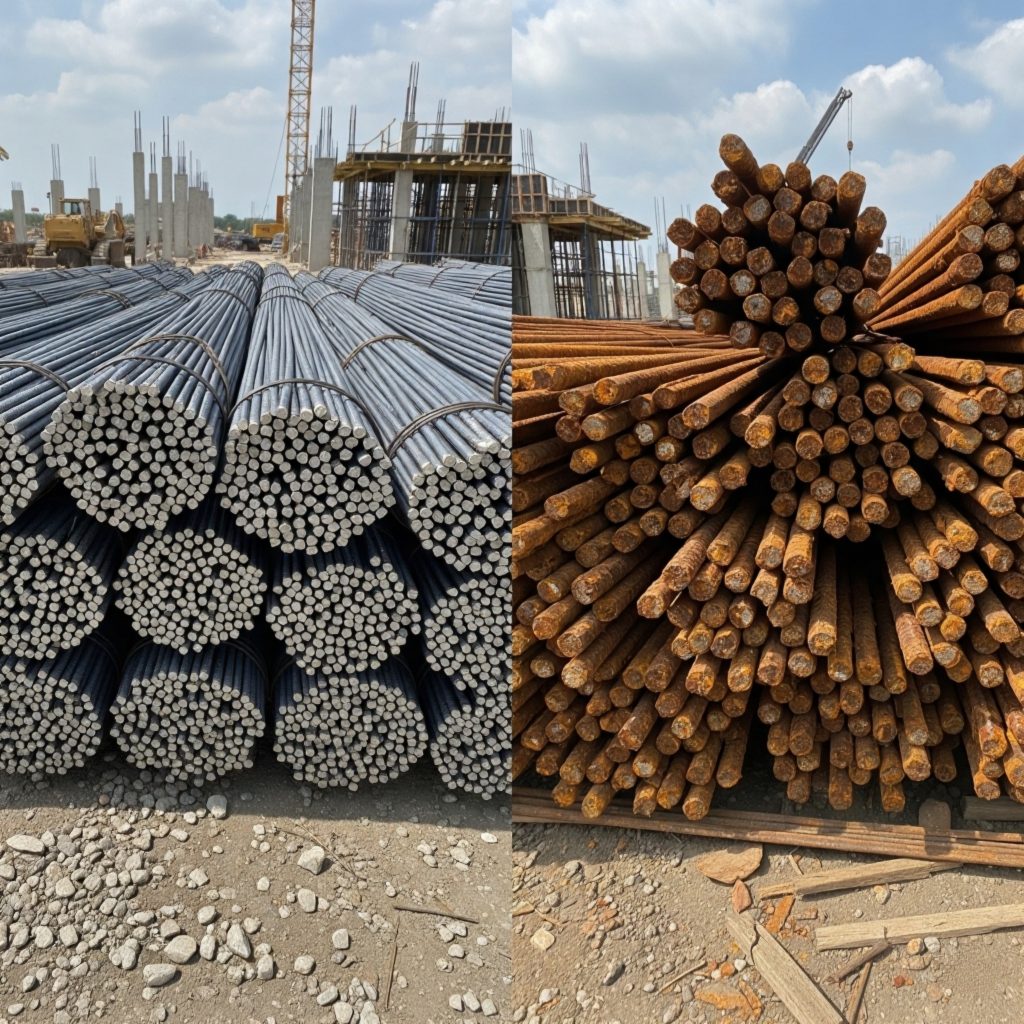
- Cheap or fake materials: Adulterated cement, weak iron rods, and bad concrete mixes.
- No soil or site testing: Foundations fail when they sit on unstable land.
- Lack of supervision: Unskilled labor and absent oversight let errors slide.
- Regulatory lapses & corruption: Approvals are given without true inspections.
- Neglected maintenance: Small cracks, leaks, and corrosion worsen over time.
👉 For Nigerians in the Diaspora, these risks are amplified when you’re not physically present to monitor projects.
How to Invest Smart and Build Safe
1. Hire Licensed Professionals Only
Don’t settle for “my brother’s friend.” Demand architects, engineers, and contractors registered with the Council for the Regulation of Engineering in Nigeria (COREN) or Nigerian Institute of Architects.

2. Always Begin with Soil Testing
Your dream home is only as strong as its foundation. Without geotechnical tests, you’re gambling with the land beneath.
3. Buy Quality Materials — And Verify Them
Insist on receipts, test certificates, and site delivery logs. Fake materials are a hidden killer in the industry.
4. Insist on Independent Supervision
Hire a clerk of works or supervisor whose loyalty is to you, not the contractor. Even better, demand weekly photo and video reports if you’re abroad.
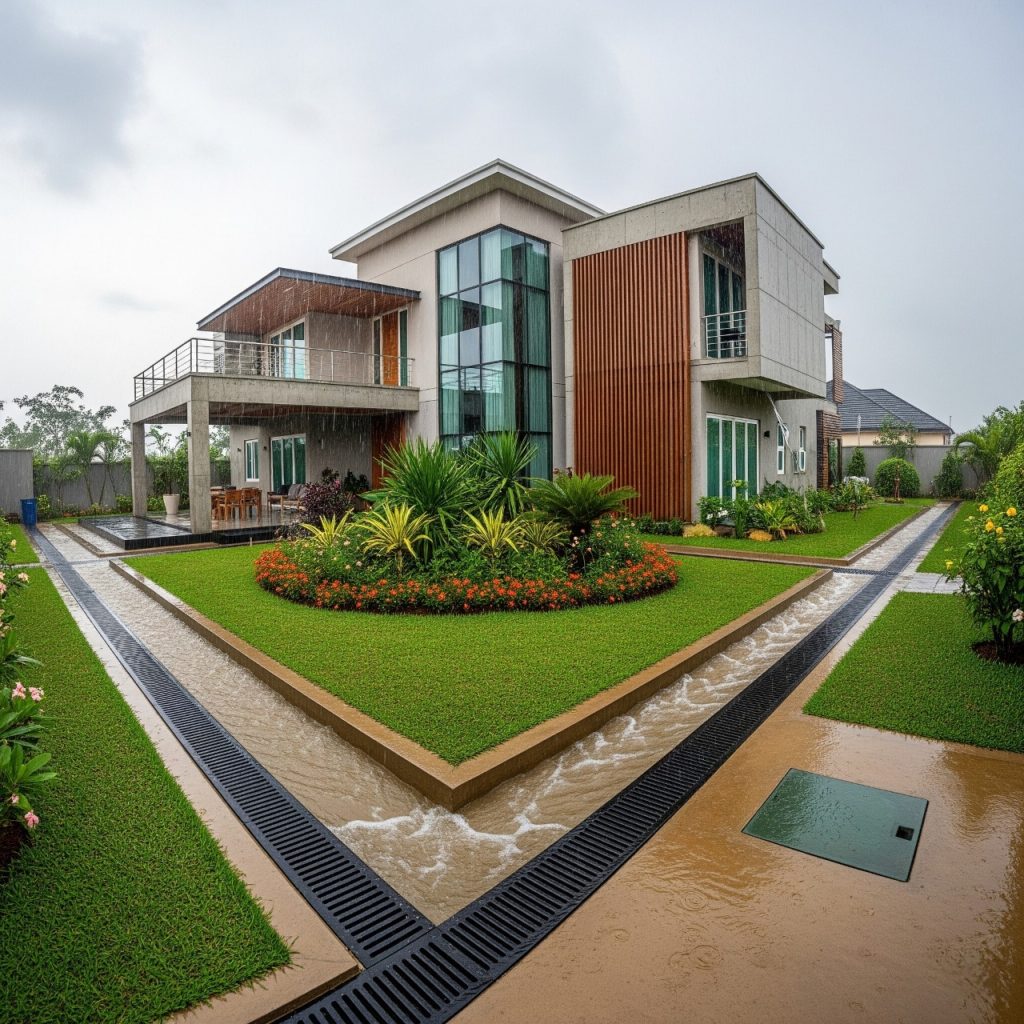
5. Plan for Drainage & Environment
Nigeria’s floods and erosion are notorious. Build with drainage, gutters, and flood-resistant measures in mind.
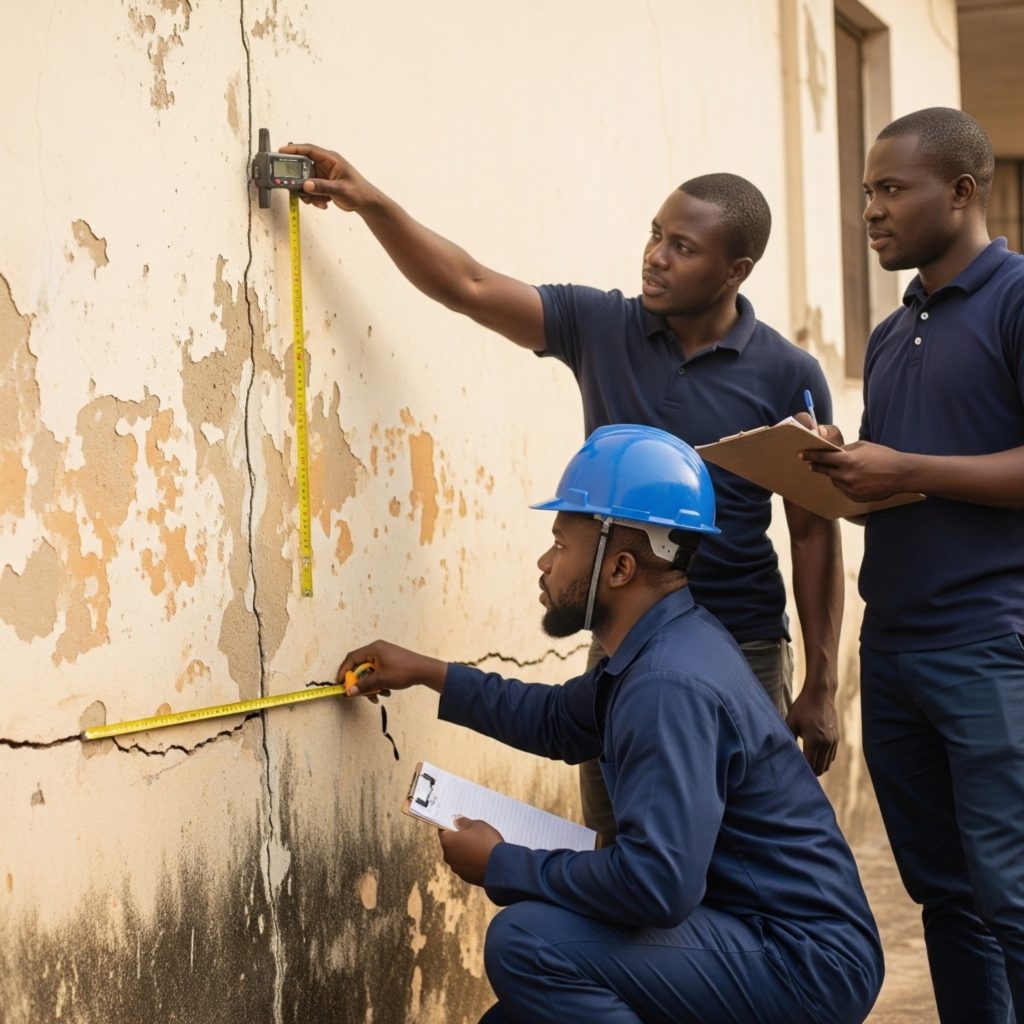
6. Create a Maintenance Culture
Even the strongest buildings weaken without upkeep. Regular inspections save millions in future repairs.
Special Tips for Nigerians in the Diaspora
- Use contractor performance bonds to safeguard your investment.
- Enforce staged payments — release funds only after certified milestones.
- Insist on geo-tagged photo and drone inspections to keep eyes on the ground.
- Keep all documents (drawings, test results, contracts) stored in the cloud.
IN OTHER NEWS: ICPC, COREN Join Forces to End Building Collapse
Quick Diaspora Checklist ✅
- Soil test report secured
- Stamped structural drawings approved
- Verified contractor credentials
- Materials tested and logged
- Independent site supervision arranged
- Drainage/erosion control included
- Maintenance plan in place
Conclusion
When Chinedu rebuilt his parents’ duplex, he did things differently: soil tests, vetted engineers, and weekly drone footage of the site. This time, his investment stood firm — not just a house, but a legacy.

For Nigerians at home and abroad, the message is clear: you don’t just build houses, you build futures. Don’t let yours collapse under shortcuts. Following this guide will help you learn how to avoid the collapse crisis in Nigeria.
Think smart. Plan safely. Build legacy.
📞 House and Land Naija is Here for You!
At House and Land Naija, we help you:
- Vet contractors and materials
- Supervise projects independently
- Provide drone/video reporting for diaspora clients
- Ensure every block you lay meets global safety standards
🌍 Website: houseandlandnaija.com
Email: hello@houseandlandnaija.com
📞 Canada: +1 (431) 990-3777
📞 USA: +1 (832) 847 5261
📞 Nigeria: 090 880 739 63