 Build in Nigeria
Why “Cheap Land” Is the Most Expensive Mistake Nigerians Make When Buying Land in Nigeria!
When Sadiq clicked “Send” from his apartment in Abu Dhabi, he smiled. He had been thinking of buying land in Nigeria for a long while. After twelve years of night shifts and missed family gatherings, he was finally buying land back home.
A full plot. Good location. ₦1.6 million.
The agent sounded confident. The pictures looked clean. The documents were neatly scanned.
“This is your breakthrough,” Sadiq told himself.
For weeks, he imagined it. A modest bungalow. A place his parents could retire to. A future he could touch.
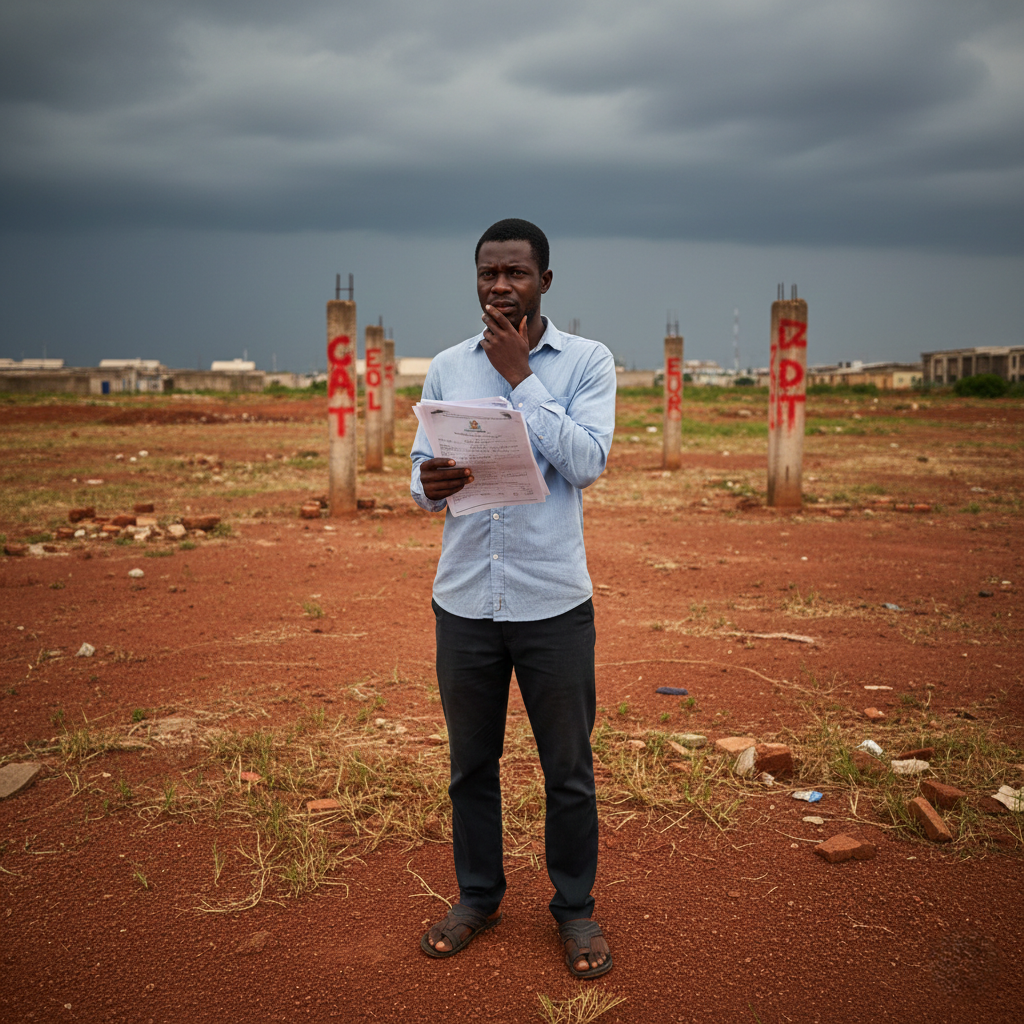
Then the call came. Not from the agent. From a friend in Minna who had gone to inspect the land.
“Bro… there’s a problem.”
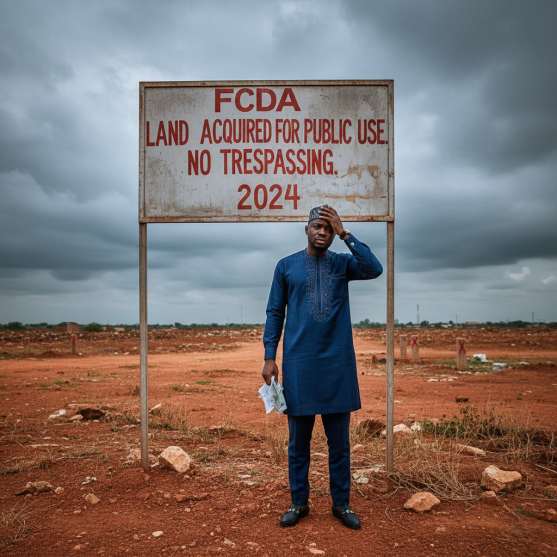
Silence followed. Red paint splashed across concrete pillars. Government codes scribbled boldly.
ACQUIRED.
In that moment, Sadiq felt something heavier than loss. He felt foolish. Because the land was cheap. And cheap had cost him everything.
This is the painful truth many Nigerians discover too late when buying land in Nigeria.
READ MORE: Things to Check Before Buying Land in Nigeria: A Complete Buyer’s Guide
WHY CHEAP LAND ATTRACTS BUYERS
Let’s be honest. Land prices are high. Income is pressured. Everyone wants a “good deal.”
So when cheap land appears, it feels like opportunity. But in Nigeria, cheap land is rarely cheap by accident. There is usually a reason.
THE HIDDEN PROBLEMS BEHIND CHEAP LAND IN NIGERIA
1. Government Acquisition Issues
Many cheap lands fall under:
- Federal acquisition
- State acquisition
- Pending revocation
Once government interest is involved, ownership becomes meaningless. No matter the receipt you hold.
2. Incomplete or Fake Documentation
Some lands come with:
- Invalid survey plans
- Forged family documents
- Fake excision claims
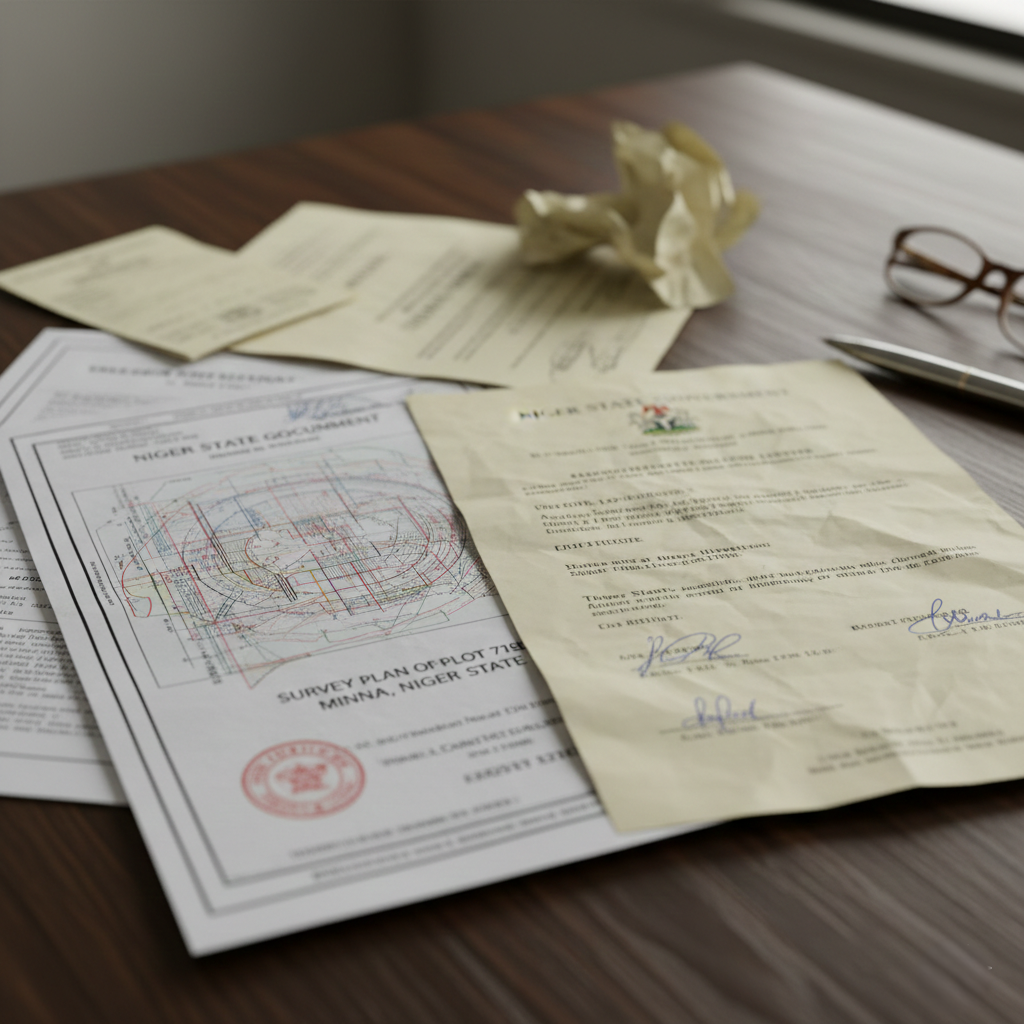
They look convincing. Until verification begins. And by then, the money is gone.
3. Land Disputes and Multiple Claims
Cheap land often has:
- Family conflicts
- Community disputes
- Multiple sellers
You buy from one party. Another party shows up later. With better claims.
4. Location and Access Risks
Some cheap lands are cheap because:
- Roads are not approved
- Drainage plans don’t exist
- Infrastructure will never come
You save money today. You lose value tomorrow.
WHY CHEAP LAND BECOMES EXPENSIVE
The real cost is not the purchase price.
It is:
- Legal fees
- Survey verification
- Court cases
- Demolition losses
- Emotional stress
Some buyers lose everything. Others spend years trying to “regularize” what should have been clean from day one.
HOW SMART BUYERS BUY LAND IN NIGERIA
Smart buyers don’t chase price. They chase certainty.
They:
- Verify title documents
- Confirm government status
- Inspect land physically
- Engage professionals
- Buy from trusted sources
The one truth they understand is: Safe land is always cheaper than cheap land.
WHY PROFESSIONAL GUIDANCE MATTERS
Land transactions in Nigeria are not simple.
They require:
- Legal checks
- Survey validation
- Government confirmation
- Market understanding

This is why serious buyers work with structured real estate companies. Not roadside promises. Not rushed decisions.
IN OTHER NEWS: Land Ownership And Title Disputes In Nigeria: Understanding The Land Tenure System And Title Verification
CONCLUSION
Sadiq tried again. This time, he slowed down. He asked questions. He verified everything.
The land cost more. But it stood clean. Documents checked out. Peace returned.
And that was when he truly understood:
In Nigeria, the most expensive land is the one you buy cheaply and lose.
📞 CONNECT WITH HOUSE & LAND NAIJA TODAY
🌐 Website: https://houseandlandnaija.com
📧 Email: hello@houseandlandnaija.com
📍 Our Offices
Nigeria: 9 Moses Adebajo Street, Ojodu-Berger, Lagos
USA: 8500 Frederickburgs Lane, Houston TX 77083
Canada: 102-30 El-Tassi Drive, Winnipeg MB
📞 Call Us
Nigeria: +234 707 491 3626 | +234 707 491 3631
USA: +1 (832) 847-5261
Canada: +1 (431) 990-3777
👉 What you should do:
Before you buy land, verify it.
And before you pay, confirm it.
Contact House & Land Naija today.
 Build in Nigeria
🏗️ Invest Smart, Build Safe: How to Avoid the Collapse Crisis in Nigeria
Broken Home, Broken Dreams
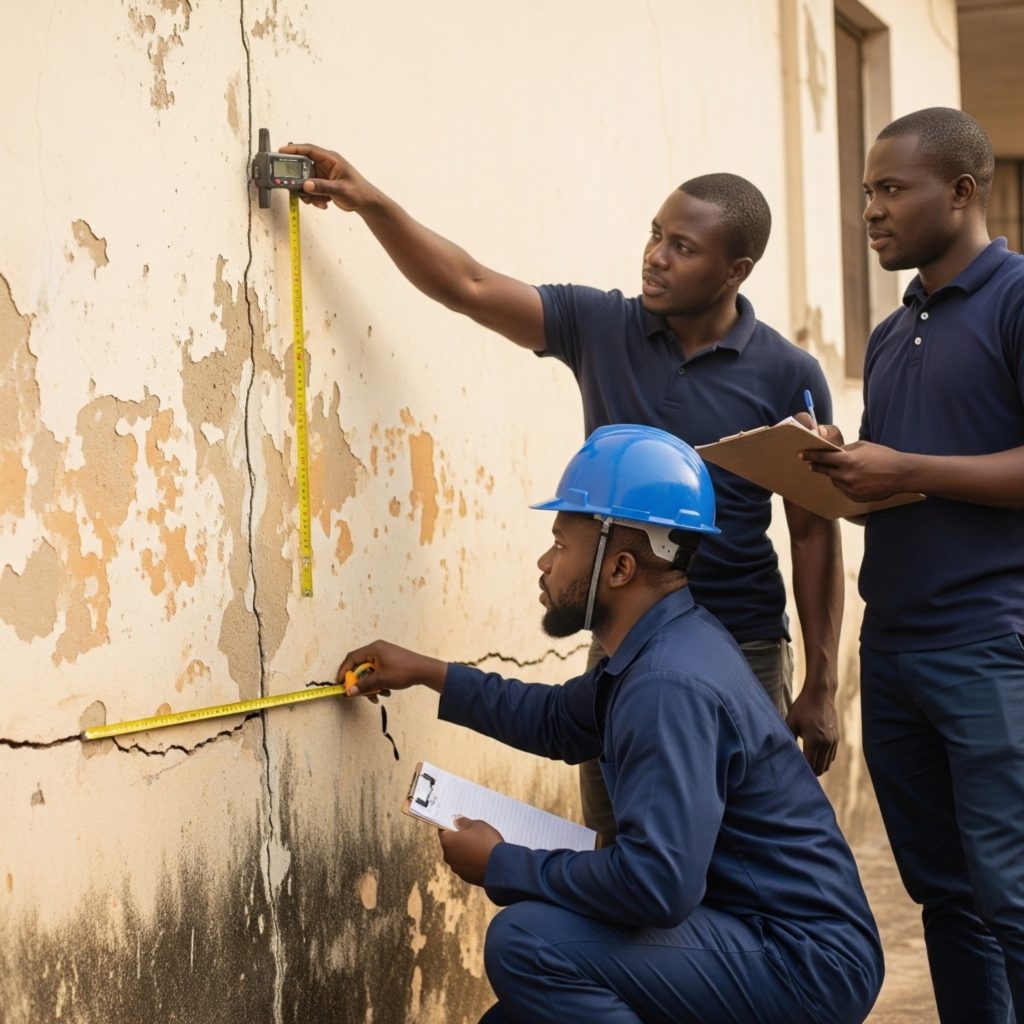
In 2023, Chinedu, a Nigerian tech entrepreneur living in Atlanta, sent millions of naira back home to build a dream duplex for his aging parents in Owerri. But months later, his joy turned into heartbreak: cracks snaked across the walls, ceilings sagged, and engineers soon declared the building unsafe. The culprit? Cheap materials and an unsupervised contractor who cut corners at every stage. What a sad end to his wonderful dreams! This article will guide on you on how to avoid the collapse crisis in Nigeria.
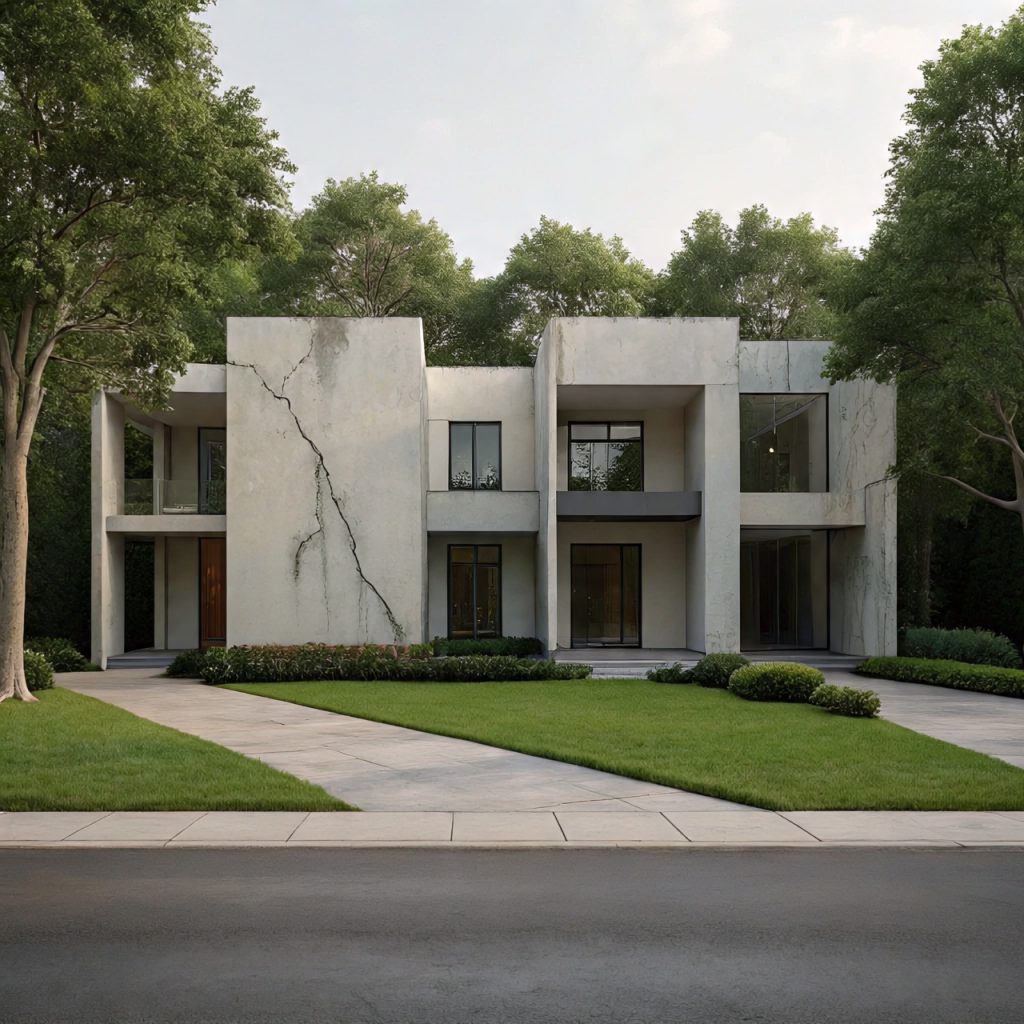
Chinedu’s story mirrors the silent crisis Nigerians at home and abroad face: buildings collapsing, dreams turning to rubble, lives lost, and hard-earned money wasted. Yet, it doesn’t have to be this way. With the right steps, you can ensure your investment stands tall, safe, and enduring — whether you live in Lagos, London, or Los Angeles.
READ MORE: Hidden Costs to Watch Out For When Buying Properties in Nigeria
Why Buildings Collapse in Nigeria — A Crisis We Must Face
- Poor design & shortcuts: Many projects ignore proper engineering calculations.
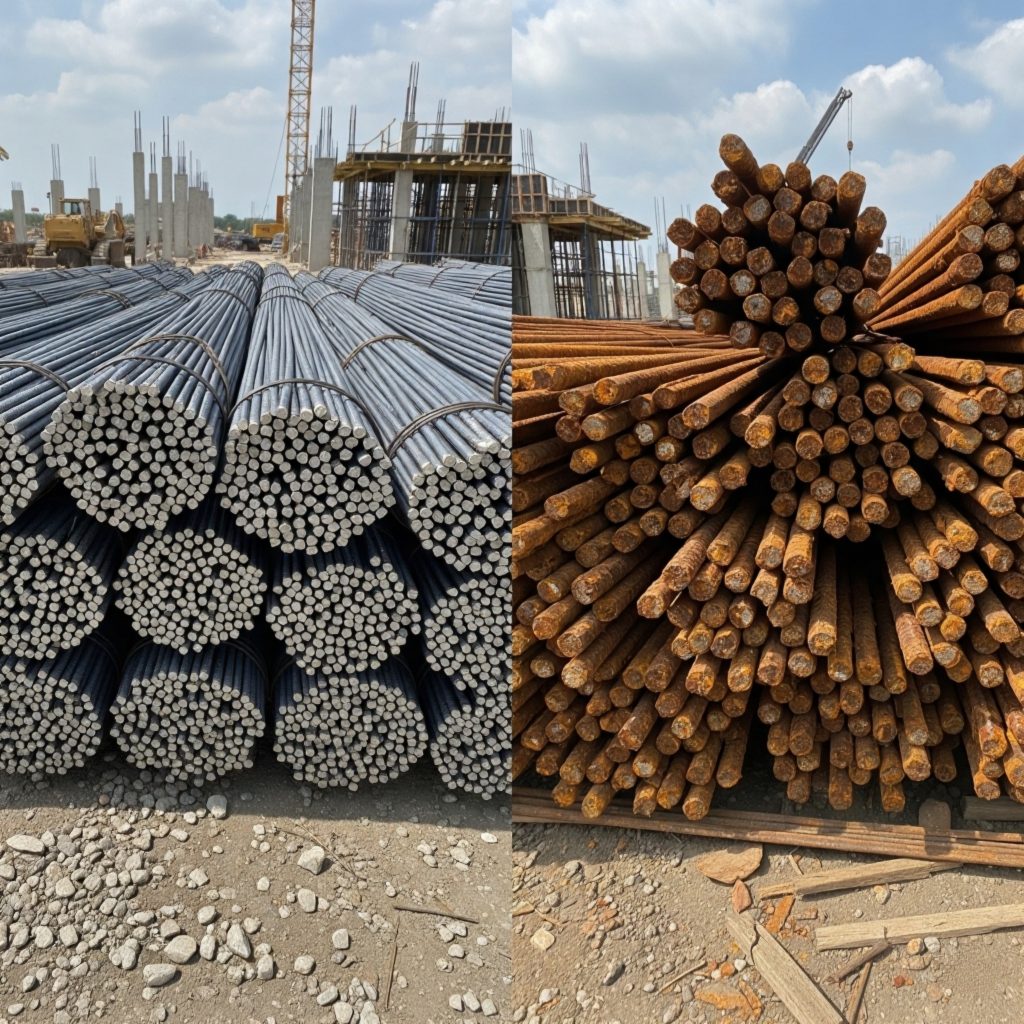
- Cheap or fake materials: Adulterated cement, weak iron rods, and bad concrete mixes.
- No soil or site testing: Foundations fail when they sit on unstable land.
- Lack of supervision: Unskilled labor and absent oversight let errors slide.
- Regulatory lapses & corruption: Approvals are given without true inspections.
- Neglected maintenance: Small cracks, leaks, and corrosion worsen over time.
👉 For Nigerians in the Diaspora, these risks are amplified when you’re not physically present to monitor projects.
How to Invest Smart and Build Safe
1. Hire Licensed Professionals Only
Don’t settle for “my brother’s friend.” Demand architects, engineers, and contractors registered with the Council for the Regulation of Engineering in Nigeria (COREN) or Nigerian Institute of Architects.

2. Always Begin with Soil Testing
Your dream home is only as strong as its foundation. Without geotechnical tests, you’re gambling with the land beneath.
3. Buy Quality Materials — And Verify Them
Insist on receipts, test certificates, and site delivery logs. Fake materials are a hidden killer in the industry.
4. Insist on Independent Supervision
Hire a clerk of works or supervisor whose loyalty is to you, not the contractor. Even better, demand weekly photo and video reports if you’re abroad.
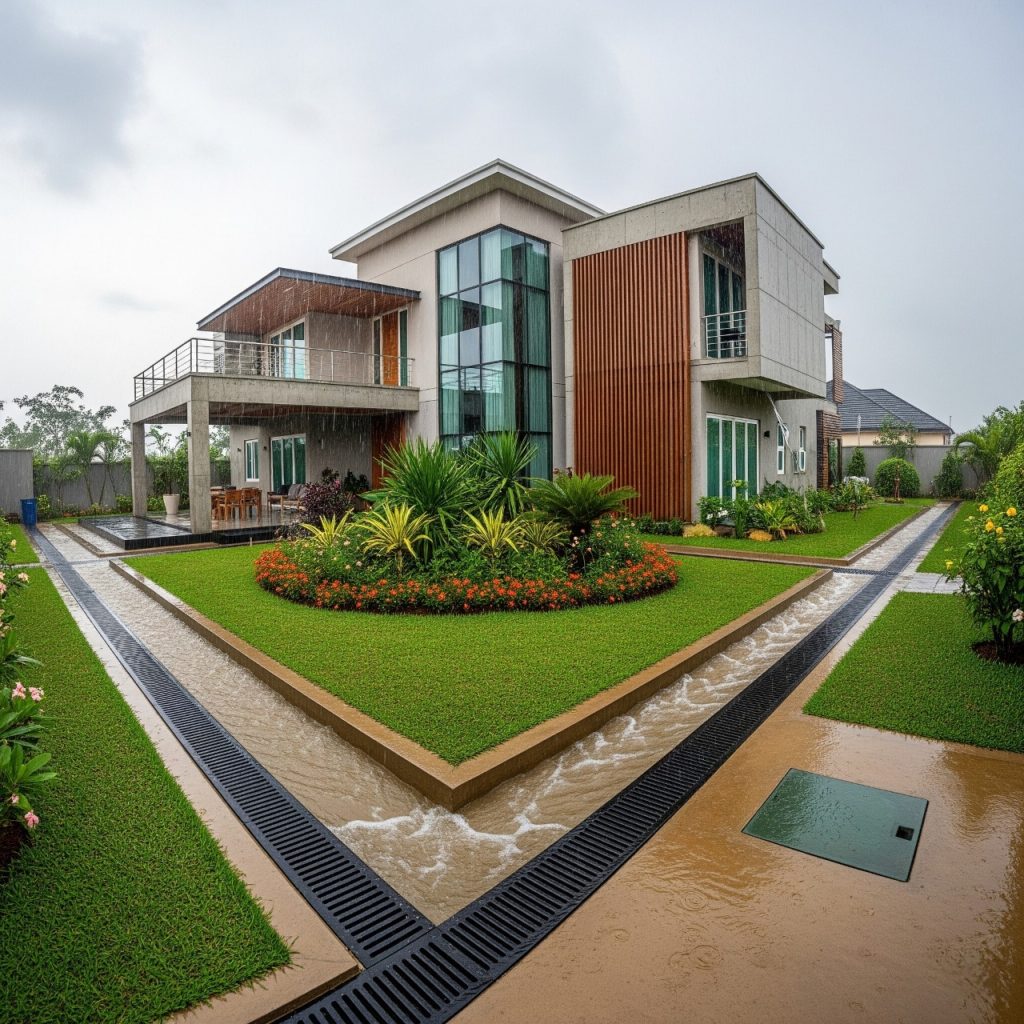
5. Plan for Drainage & Environment
Nigeria’s floods and erosion are notorious. Build with drainage, gutters, and flood-resistant measures in mind.
6. Create a Maintenance Culture
Even the strongest buildings weaken without upkeep. Regular inspections save millions in future repairs.
Special Tips for Nigerians in the Diaspora
- Use contractor performance bonds to safeguard your investment.
- Enforce staged payments — release funds only after certified milestones.
- Insist on geo-tagged photo and drone inspections to keep eyes on the ground.
- Keep all documents (drawings, test results, contracts) stored in the cloud.
IN OTHER NEWS: ICPC, COREN Join Forces to End Building Collapse
Quick Diaspora Checklist ✅
- Soil test report secured
- Stamped structural drawings approved
- Verified contractor credentials
- Materials tested and logged
- Independent site supervision arranged
- Drainage/erosion control included
- Maintenance plan in place
Conclusion
When Chinedu rebuilt his parents’ duplex, he did things differently: soil tests, vetted engineers, and weekly drone footage of the site. This time, his investment stood firm — not just a house, but a legacy.

For Nigerians at home and abroad, the message is clear: you don’t just build houses, you build futures. Don’t let yours collapse under shortcuts. Following this guide will help you learn how to avoid the collapse crisis in Nigeria.
Think smart. Plan safely. Build legacy.
📞 House and Land Naija is Here for You!
At House and Land Naija, we help you:
- Vet contractors and materials
- Supervise projects independently
- Provide drone/video reporting for diaspora clients
- Ensure every block you lay meets global safety standards
🌍 Website: houseandlandnaija.com
Email: hello@houseandlandnaija.com
📞 Canada: +1 (431) 990-3777
📞 USA: +1 (832) 847 5261
📞 Nigeria: 090 880 739 63