
 House and Land Naija
Understanding Growth in Nigerian Real Estate Today
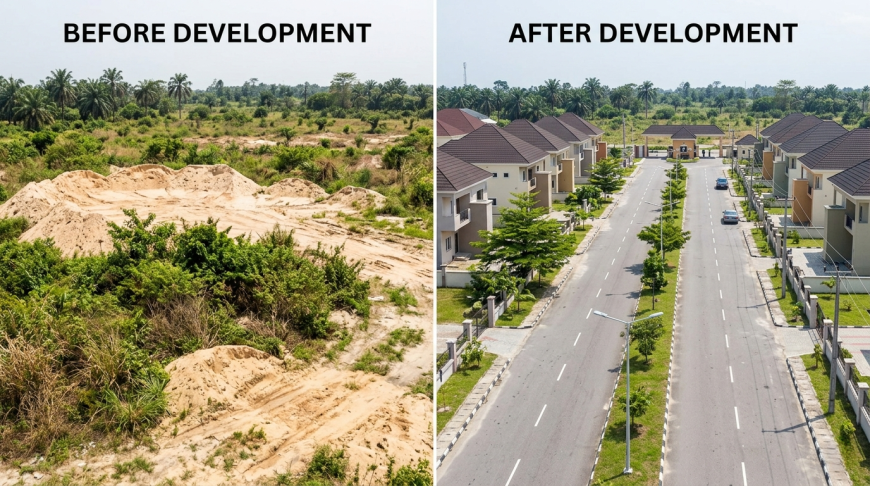
When Adoo first started investing in property, she followed the crowd. She focused on popular spots like Lekki, Ikoyi, and Abuja city center. Everywhere that “everyone” said was hot. She did not try to understand the basics of the growth in Nigerian real estate market.
But prices were already high. Returns felt slow. And competition was intense.
A year later, a friend showed her a property he bought in a less popular but developing area on the outskirts of Lagos. Infrastructure was coming in. Roads were improving. Demand was rising quietly.
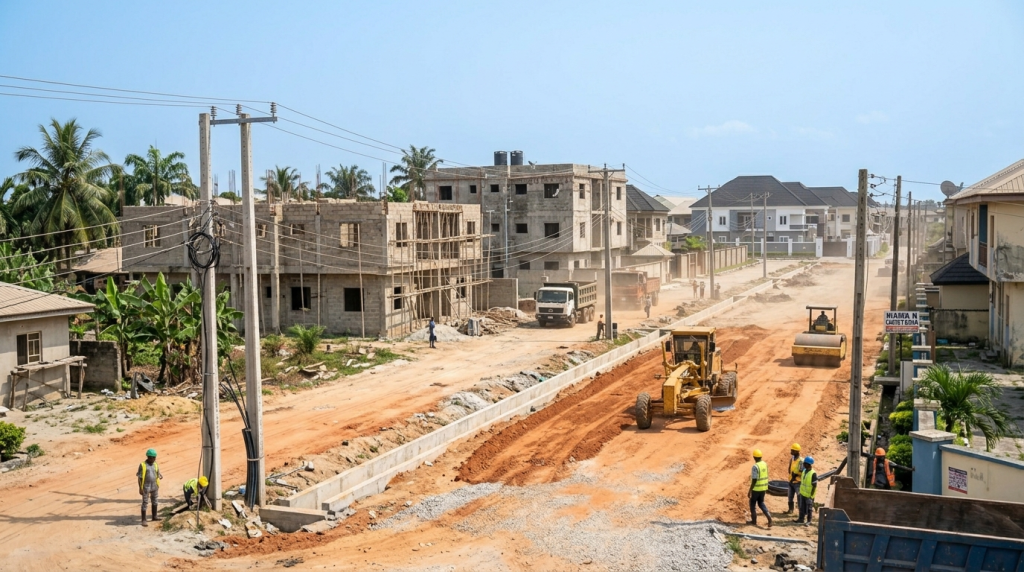
At that point, Adoo started to realize that there were basic things she ought to have known about the areas where Nigerian real estate was actually growing.
READ MORE: Understanding the Emotional Side of Property Buying in Nigeria
Growth in Nigerian Real Estate Is Moving Beyond Popular Areas
The biggest mistake many investors make is chasing already “popular” locations.
By the time an area becomes widely known, prices have already surged.
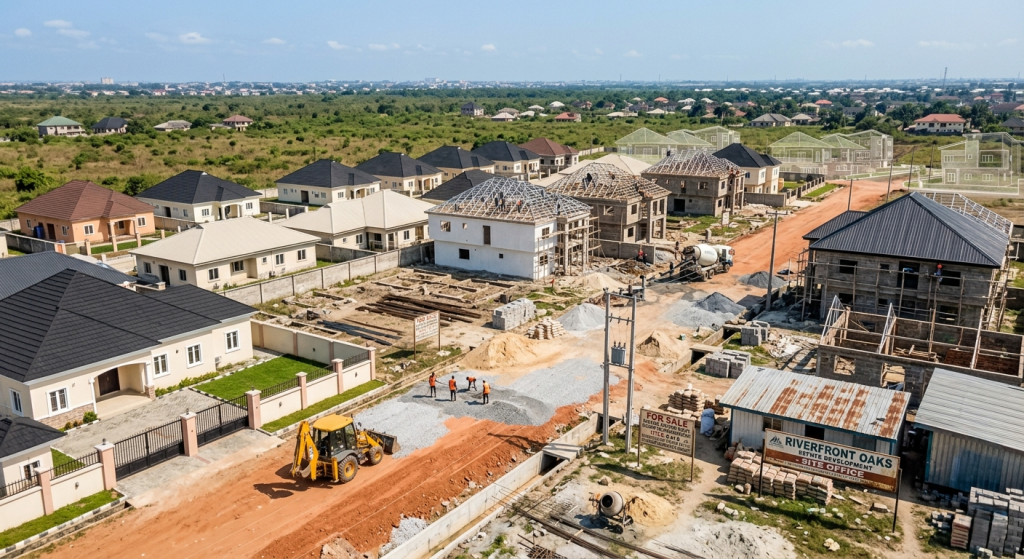
Real growth in Nigerian real estate often begins quietly—in emerging neighborhoods where development is just starting.
Growth in Nigerian Real Estate Follows Infrastructure
Roads. Bridges. Commercial hubs. New estates. These are the real signals.
Smart investors track where development is going—not where it has already peaked.
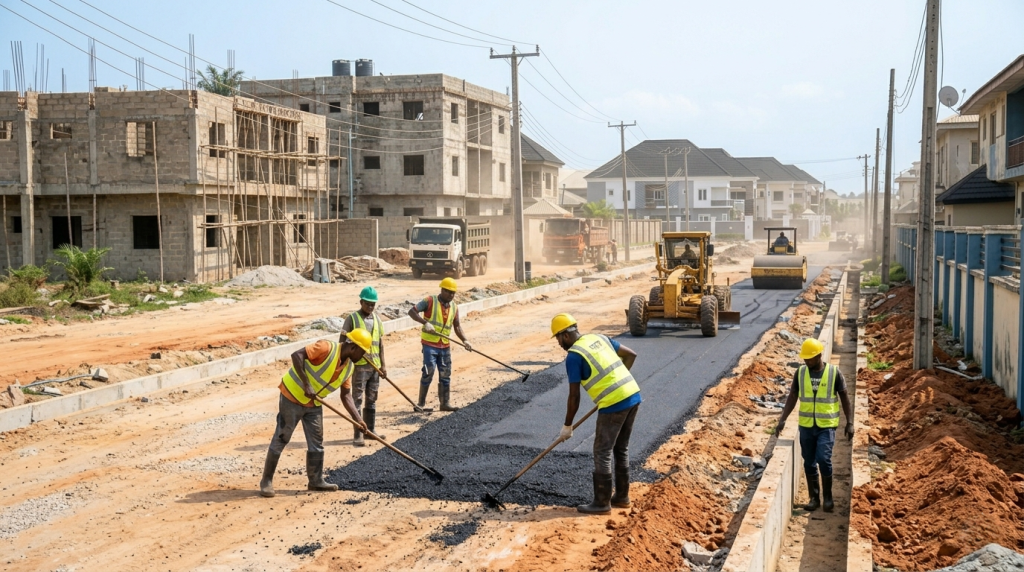
Understanding growth in Nigerian real estate means paying attention to future potential, not current hype.
Growth in Nigerian Real Estate Rewards Patience
Adoo shifted her strategy. Instead of competing in saturated markets, she invested in a developing area with strong future prospects.
Two years later, property values began to rise steadily.
No noise. No hype. Just growth.
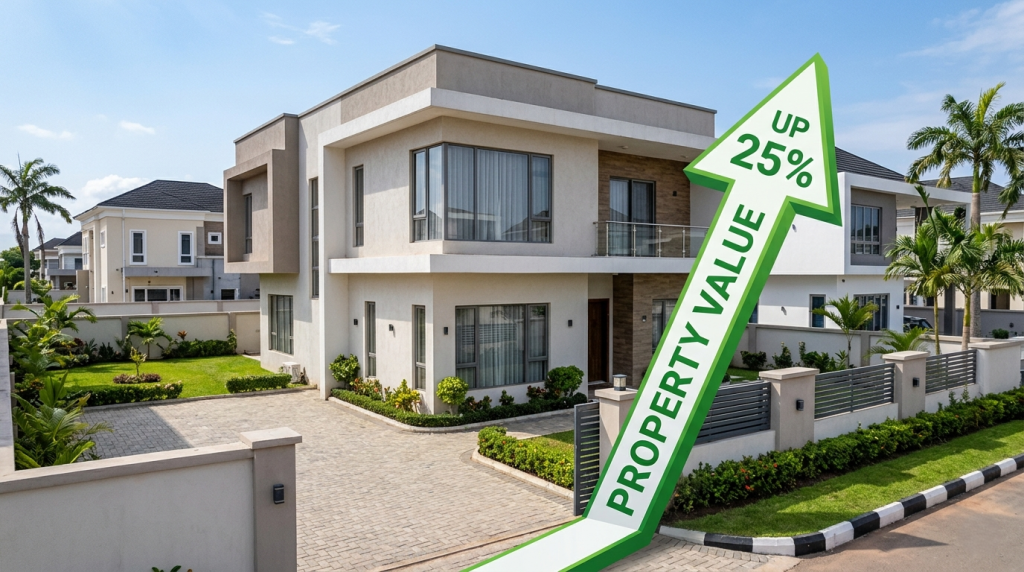
That’s how growth in Nigerian real estate works for those who think long-term.
IN OTHER NEWS: Nigeria’s luxury real estate projected to retain growth in 2026
A Smarter Way to Invest
The best opportunities are rarely the loudest. They are often the quietest.
If you learn to identify them early, you position yourself ahead of the market—not behind it.
BEFORE YOU INVEST
Before you invest in your next property, take a step back.

Let experienced professionals help you identify locations with real growth potential—not just popular appeal.
CONTACT HOUSE AND LAND NAIJA TODAY
🌐 Website: https://houseandlandnaija.com
📧 Email: info@houseandlandnaija.com
📍 Office:
Nigeria: 9 Moses Adebajo Street, Ojodu-Berger, Lagos
📞 Nigeria:
+234 707 491 3626
+234 707 491 3638
Don’t just follow the market—understand it, and get ahead of it.
 Educational
Short-Let vs Long-Term Rent: Choosing the Right Rental Strategy
When Simisola bought a small apartment in Lekki, she was convinced short-lets were the future. She felt she is well informed to make a choice between short-let vs long-term rent
Everywhere she looked online, people were talking about how much money Airbnb-style rentals were making. Friends told her long-term tenants were “old school.”
So she furnished the apartment, hired a cleaner, and listed the property. For the first few months, bookings were exciting. Guests came and went, and the income looked promising.

Then the reality appeared. Some weeks had no bookings. Maintenance costs increased. Utilities were unpredictable. Managing guest turnovers became stressful.
That’s when Simisola realized the short-let vs long-term rent decision was more complex than social media trends suggested.
READ MORE: Property as a Long-Term Asset, Not a Quick Flip
Understanding the Short-Let vs Long-Term Rent Trade-Off
Both strategies can work well—but they serve different goals.
Short-lets often offer:
- Higher potential income per night
- Flexible availability for owners
- Appeal in tourist or commercial locations
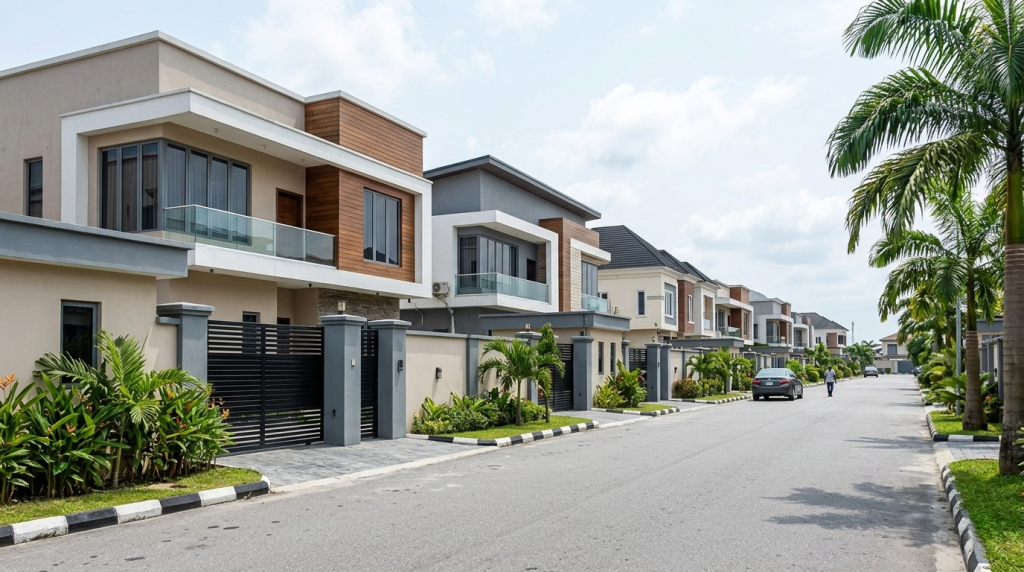
However, short-lets also require constant management, marketing, cleaning, and guest communication.
When considering short-let vs long-term rent, it’s important to evaluate how much time and oversight you’re willing to commit.
Why Short-Let vs Long-Term Rent Depends on Location
Location plays a huge role.
Short-lets perform best in areas with:
- Tourist traffic
- Business travel demand
- Proximity to airports or city centers

Long-term rentals, on the other hand, thrive in stable residential communities where families and professionals prefer predictable housing.
Understanding short-let vs long-term rent means matching your strategy to the property’s environment.
Looking Beyond Trends
After months of inconsistent bookings, Simisola converted her apartment into a long-term rental. The income became steady. Maintenance costs stabilized. And management became far simpler.
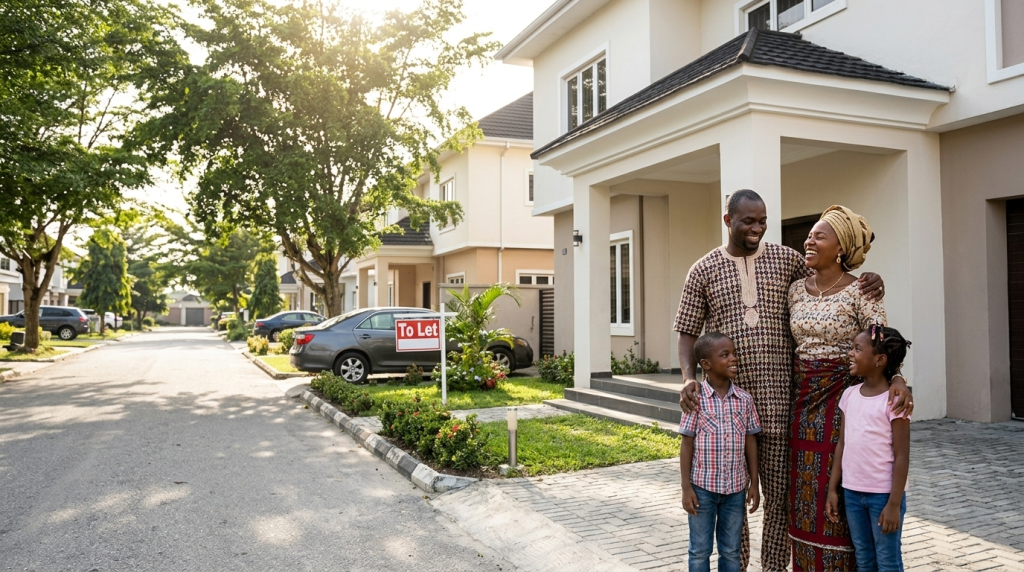
Her decision taught her a valuable lesson: Property investment is not about chasing trends—it’s about choosing what works sustainably.
The real question in short-let vs long-term rent isn’t which is popular today, but which aligns with your long-term goals.
IN OTHER NEWS: The Hidden Cost of Rushing a Building Project
Before You Decide
Before deciding how to rent out your property, take time to analyze demand, management effort, and long-term value.

Professional property oversight and advice can help you make decisions that protect your investment—not just follow the latest trend.
Contact House & Land Naija
🌐 Website: https://houseandlandnaija.com
📧 Email: info@houseandlandnaija.com
📍 Office:
9 Moses Adebajo Street, Ojodu-Berger, Lagos
📞 Nigeria:
+234 707 491 3626
Protect your property. Manage it wisely. Invest for the long term.
 Educational
Understanding the Emotional Side of Property Buying in Nigeria
When Ahmadu saw the house in Abuja, he felt it instantly. The balcony view reminded him of his childhood home. The spacious living room made him picture family gatherings. Within 48 hours, he made payment — no negotiation, no structural checks, no title verification. He immediately became a victim of the emotional side of property buying, just like many other Nigerians!

Three months later, hidden drainage issues surfaced. The title documentation was incomplete. What felt “right” emotionally became financially stressful.
That’s the effect of the emotional side of property buying — powerful, persuasive, and often underestimated.
How the Emotional Side of Property Buying Clouds Judgment
Buying property is rarely just a transaction. It represents stability, success, legacy, and pride.
But the emotional side of property buying can:
- Push buyers to skip due diligence
- Create urgency that sellers exploit
- Blur financial boundaries
- Ignore long-term maintenance costs
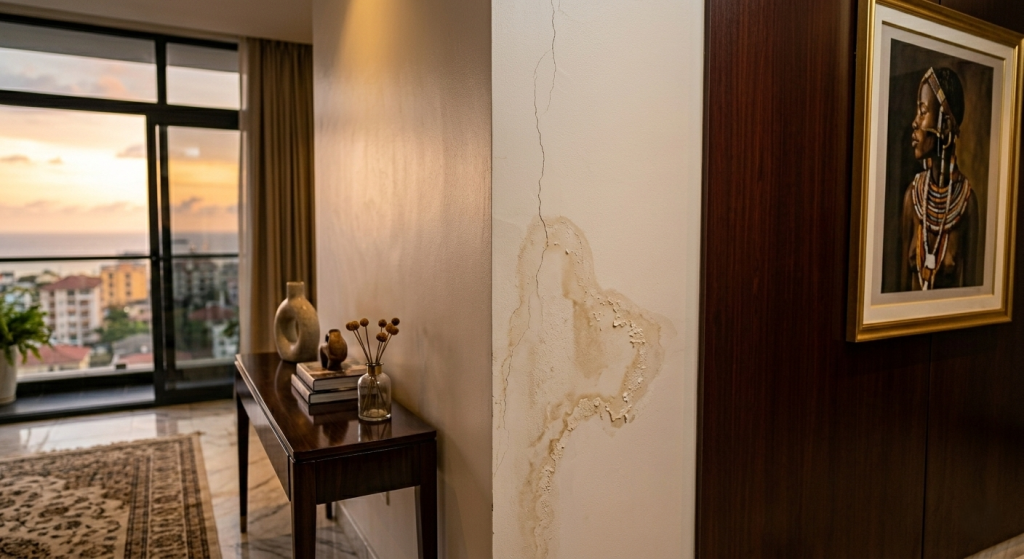
Emotion is natural. Unchecked emotion is expensive.
Managing the Emotional Side of Property Buying Wisely
After his experience, Ahmadu approached his next purchase differently.
He asked questions.
Also, he requested structural inspections.
Then he verified documents.
Finally, he compared locations logically.

He still chose a property he loved — but this time, he protected his investment.
Balancing emotion with structure transforms outcomes.
Turning Emotion into Strategic Confidence
The emotional side of purchasing any property isn’t the enemy. It simply needs guidance.
Smart buyers:
- Work with credible property consultants
- Conduct full documentation checks
- Evaluate infrastructure and access
- Consider resale value and rental potential
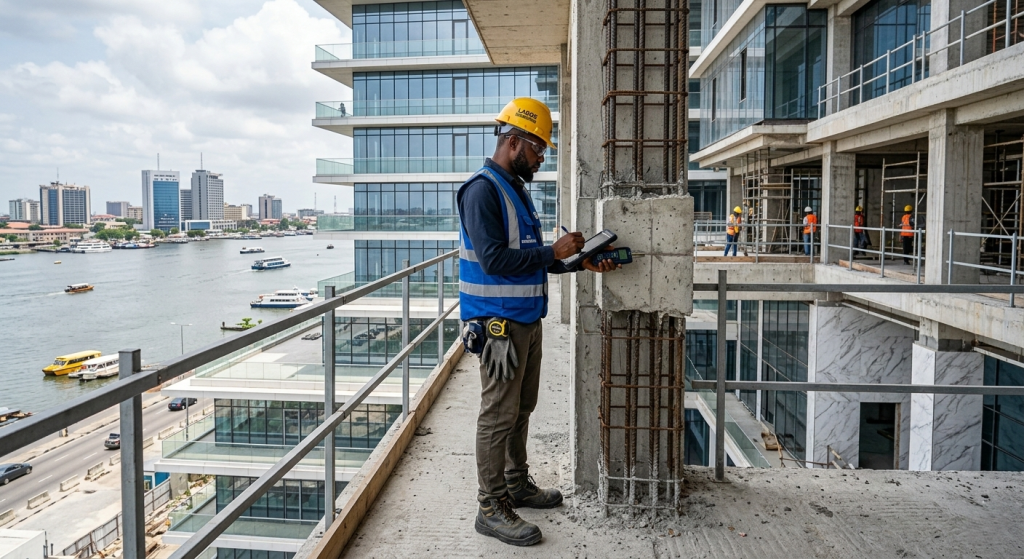
Feel the excitement — but verify the facts.
A Better Ending
One year later, Ahmadu’s second purchase appreciated in value. No hidden defects. No legal stress.
He still smiles when he walks into his home — but now, it’s a confident smile.

Because emotion led him there… and wisdom secured it.
IN OTHER NEWS: Avoiding Real Estate Scams In Nigeria
BALANCE EMOTION WITH PROFESSIONALISM
Before you make your next property decision, slow down.
Let House and Land Naija help you balance emotion with expertise — so your investment brings pride, not pressure.
CONTACT HOUSE AND LAND NAIJA TODAY
🌐 Website: https://houseandlandnaija.com
📧 Email: info@houseandlandnaija.com
📍 Office: 9 Moses Adebajo Street, Ojodu-Berger, Lagos
📞 Nigeria: +234 707 491 3626
Make decisions you’ll be proud of tomorrow!
 Educational
Buying From Individuals vs Estates: What to Watch For Before You Pay
A buyer once shared a story that stayed with me. He had found what seemed like the perfect property in Lagos. The price was fair. The location was solid. The seller was polite and confident. Documents were presented. Everything looked straightforward. But he didn’t know that there is a difference between buying from individuals vs estates.
Six months after payment, a letter arrived from a lawyer. The property, he discovered, was part of a family estate. Not all beneficiaries had signed off. What followed was not construction or renovation — but court dates and stress.

This is why buying from individuals vs estates in Nigeria requires more than surface-level checks. It’s not about suspicion. It’s about structure.
READ MORE: How to Buy Property in Nigeria Without Being Physically Present
Buying From Individuals vs Estates: Understanding the Difference
When buying property in Nigeria, transactions usually fall into two broad categories:
- You’re buying directly from an individual owner.
- You’re buying from an estate — meaning the property belonged to someone deceased and is now controlled by heirs or administrators.
At first glance, both may look the same. But legally and practically, they are not. Understanding the difference is the first step in safely navigating buying from individuals vs estates.
Buying From Individuals vs Estates: When the Seller Is an Individual
Buying from a living individual can feel simpler. There is usually one primary decision-maker. Documents are often easier to trace. But simplicity can be misleading.

Before paying, you must confirm:
- The seller is the true owner listed on the title.
- There are no outstanding disputes.
- The property is not jointly owned without disclosure.
- There are no encumbrances or pending legal issues.
Even in individual sales, due diligence is not optional.
Buying From Individuals vs Estates: The Extra Layer of Estate Sales
This is where caution becomes even more important. When a property forms part of an estate, it means ownership has transitioned due to death. Legally, that property cannot simply be sold by one family member unless proper authority has been granted.
Things to verify include:
- Has probate or letters of administration been obtained?
- Who are the legally recognized administrators?
- Have all beneficiaries consented?
- Is there written, documented approval for the sale?

Buying from individuals vs estates becomes risky when buyers assume family agreement equals legal authority. They are not the same.
Emotional Pressure and Family Dynamics
Estate properties often come with urgency.
A family may want to “settle matters quickly.” You may hear phrases like:
- “We have all agreed.”
- “We are all one family.”
- “Don’t worry, everything is fine.”
In many cases, they mean well. But family dynamics can change after money changes hands.

Buying from individuals vs estates requires protecting your investment from future disagreements that haven’t happened yet.
Why Professional Verification Matters
One of the most overlooked risks in buying from individuals vs estates is incomplete documentation.
A proper review at the Land Registry, verification of probate records, and confirmation of consent signatures can prevent years of legal entanglement.

The cost of verification is always smaller than the cost of litigation.
A Quiet Lesson Many Learn Too Late
The buyer I mentioned earlier eventually resolved his case — but not without legal fees, delays, and emotional exhaustion.
The property was not the problem. The process was.

Buying from individuals vs estates is not inherently dangerous. Many successful transactions happen every day. The difference lies in whether the buyer approached the process casually or carefully.
IN OTHER NEWS: Land banking: The sleeping goldmine in Nigeria’s real estate market
A Thought Before You Transfer Funds
Property in Nigeria is not just an asset — it’s layered with history, family ties, and legal structure.
Before you make payment, pause.
Ask questions.
Verify documents.
Insist on clarity.
Because once money changes hands, reversing mistakes becomes much harder.
WHAT YOU SHOULD DO
If you’re considering buying property and are unsure whether it’s an individual or estate sale, take time to understand the structure behind the transaction.
A calm, informed decision today can save years of avoidable stress tomorrow.
 House and Land Naija
Rental Income in Nigeria: What People Don’t Talk About Before Investing
A friend once called, excited. He had finally bought a small apartment in Lagos — something he’d planned for years while working abroad. The math looked good. Rent would come in yearly, the property would appreciate, and life would move on. However, he didn’t realize that rental income in Nigeria is not always that easy to calculate.
Six months later, the tone of his calls had changed.

The apartment stayed empty longer than expected. A tenant moved in and delayed payment. A “small plumbing issue” became a major repair. By the time rent finally came in, most of it went back out.
This is the side of rental income in Nigeria that people rarely talk about.
READ MORE: Why “Cheap Land” Is the Most Expensive Mistake Nigerians Make When Buying Land in Nigeria!
Rental Income in Nigeria Is Not Passive by Default
One of the biggest myths around rental income in Nigeria is that it’s automatic.
Buy a property.
Find a tenant.
Collect rent.
In reality, rental income requires active decisions, especially in the first few years. Location, tenant quality, property condition, and management all affect whether income flows smoothly or becomes a constant source of stress.
Rental Income in Nigeria Depends Heavily on Demand, Not Hype
Many investors buy based on what sounds popular. But demand is quieter than hype.

Rental income in Nigeria is strongest where:
- people already live and work
- access roads are reliable
- power and water are manageable
- tenants can realistically afford the rent
A beautiful apartment in the wrong area can stay empty longer than a modest one in the right location.
Vacancy Periods Are Part of the Reality
This is something people don’t like to admit. Even good properties experience vacancy. And every empty month eats into your projected rental income in Nigeria.
Smart investors plan for:
- vacancy periods
- repainting and minor fixes
- marketing time between tenants
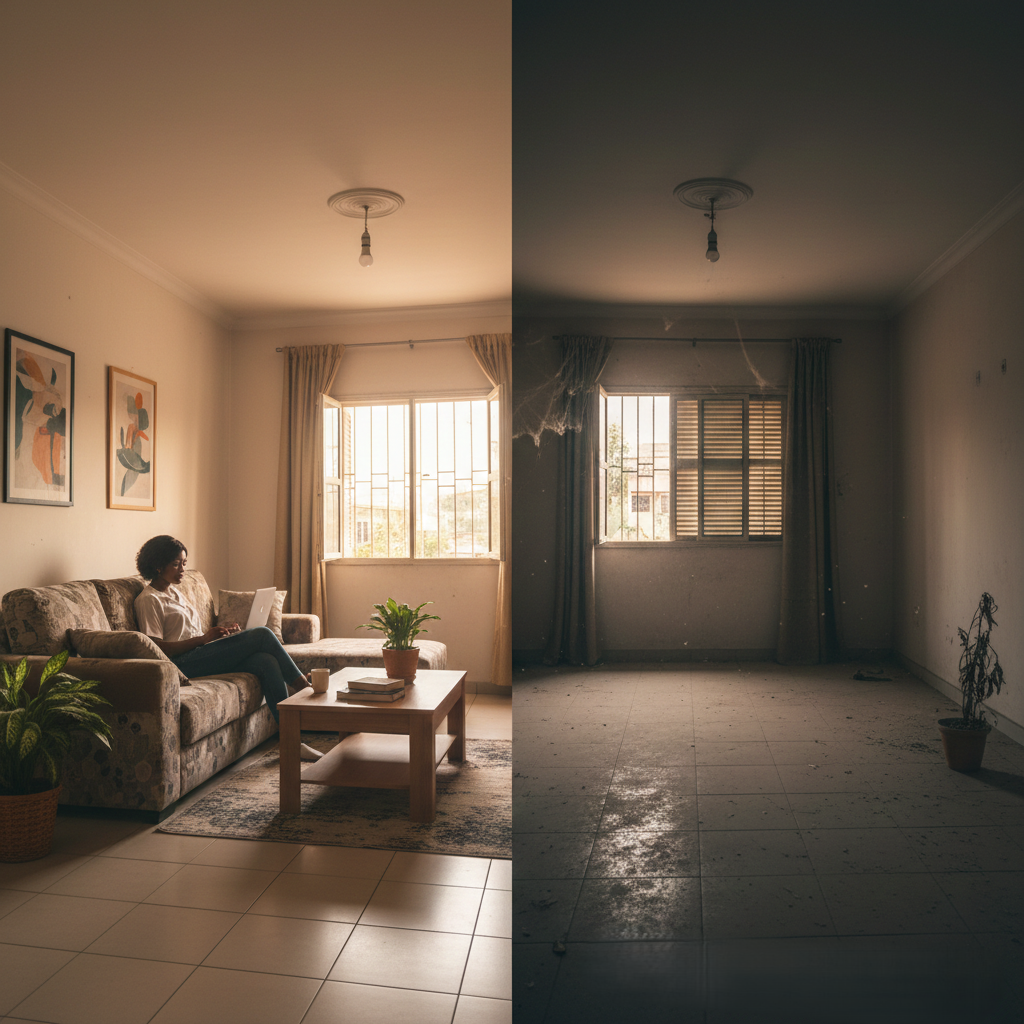
Rental income works best when expectations are realistic, not optimistic.
Tenants Matter More Than the Building
Another uncomfortable truth: the tenant can make or break your experience.
Late payments, poor maintenance habits, or constant complaints all affect cash flow and peace of mind. Screening tenants properly is not being difficult — it’s being responsible.
This is why many investors eventually move away from informal, family-managed rentals toward more structured management.
Maintenance Quietly Shapes Rental Income in Nigeria
Maintenance is rarely discussed when people talk about income the at comes from renting properties in Nigeria. Yet it’s one of the biggest factors affecting long-term returns.

Small issues ignored early — leaks, wiring, drainage — grow quietly and become expensive later. Properties that are maintained consistently attract better tenants and experience shorter vacancy periods.
Rental Income Is a Long Game
Earning income from renting properties across Nigeria rewards patience.
The first year often feels tight. The second year feels clearer. Over time, as rent stabilizes and the property settles, income becomes more predictable.
The mistake many people make is expecting immediate ease.
IN OTHER NEWS: DIY Electrical and Plumbing Repairs in Nigeria: When “Managing It” Turns Into Regret
The Part Most People Learn Too Late
The friend I mentioned earlier didn’t make a bad investment. He made an uninformed one.
Once he adjusted expectations, improved tenant screening, and put proper management in place, the property became what he hoped it would be — not perfect, but steady.
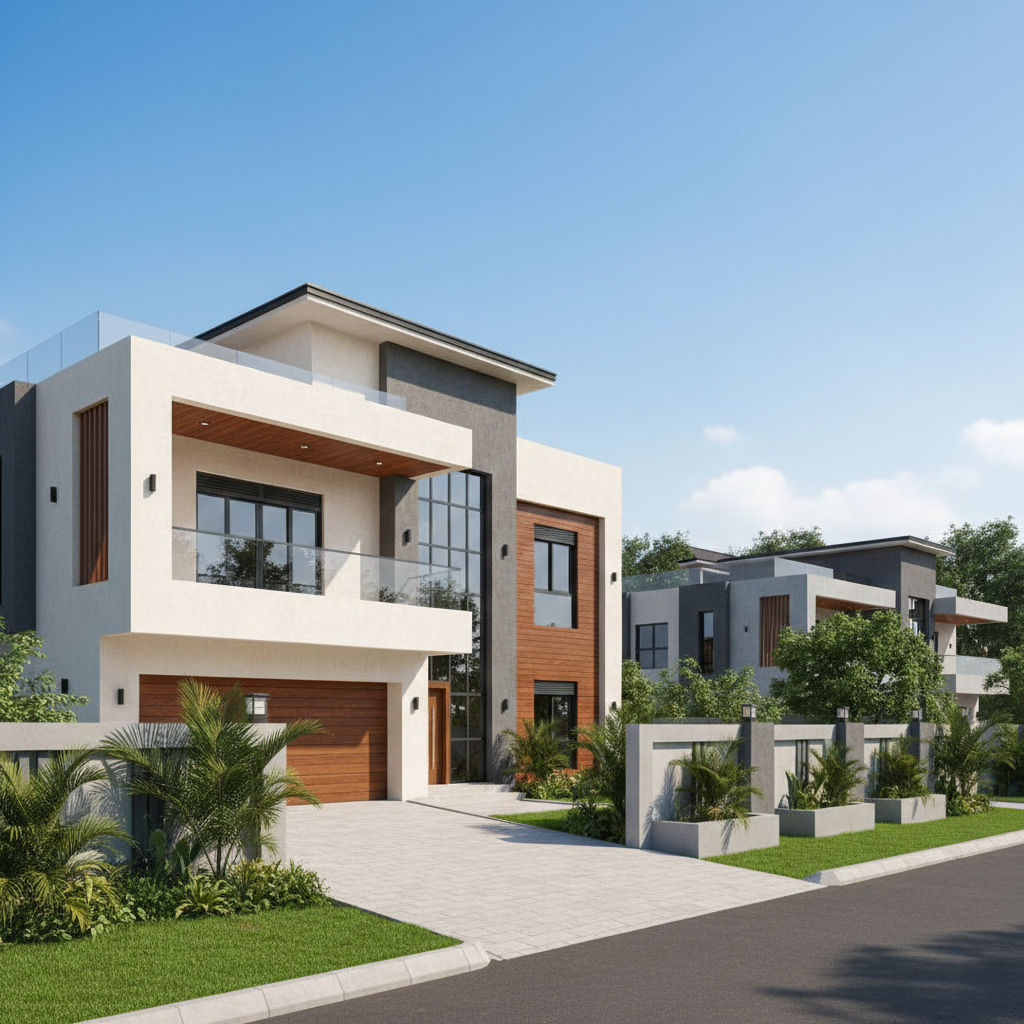
Rental income in Nigeria works best when approached with clarity, not assumptions.
TAKE ACTION BEFORE YOU BEGIN
If you’re considering property as a source of rental income, take time to understand the full picture — not just the numbers, but the realities behind them.
The right information upfront can save you years of frustration later.
 Educational
Why Property Documentation Delays in Nigeria Ruin Buying Plans
The House That Was Ready… But Not His
When Ugonna returned from Germany to finalize his home purchase in Awka, everything looked perfect. The building stood tall. Paint was fresh. Keys were ready. Though Ugonna was excited, he didn’t reckon with the fact that property documentation delays in Nigeria could deprive him so badly!
Then came one sentence from the agent:
“The documents are still processing.”
Weeks turned into months.
Rent continued abroad.
Family plans stalled.
The joy of ownership faded into stress.

This is how property documentation delays in Nigeria quietly ruin buying plans — even when the house itself is ready.
READ MORE: Things to Check Before Buying Land in Nigeria: A Complete Buyer’s Guide
Why Property Documentation Delays in Nigeria Are So Common
Many buyers assume documentation is a simple formality. In reality, it’s a process — and often a slow one.
Delays usually happen because of:
- Incomplete land history
- Missing or conflicting ownership records
- Slow government processing
- Poor follow-up by sellers or agents
- Buyers not knowing what to ask for
The building may exist. But ownership doesn’t — yet.
How Property Documentation Delays in Nigeria Affect Buyers
Documentation delays don’t just waste time. They affect real life plans.
They can:
- Delay move-in dates
- Stall mortgage or loan approvals
- Prevent resale or rental
- Increase total buying costs
- Create legal uncertainty

In some cases, buyers occupy properties they don’t legally own — a risky position.
The Documents That Often Cause the Delay
Most property documentation delays in Nigeria involve:
- Governor’s Consent
- Certificate of Occupancy (C of O)
- Registered Deeds of Assignment
- Approved Survey Plans
- Proper land registry filings
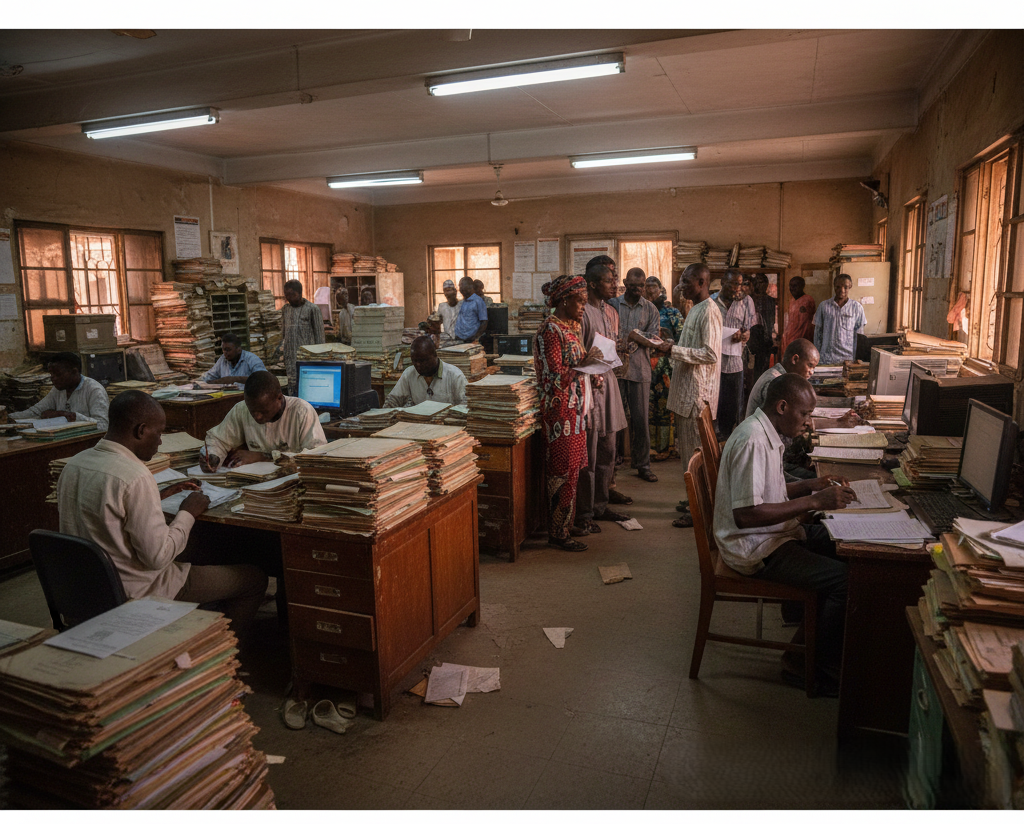
When any of these are unclear or missing, the entire process slows down.
Why Buyers Don’t Discover the Problem Early
Many buyers:
- Trust verbal assurances
- Focus only on price and location
- Assume documents will “come later”
- Don’t request proof before payment
By the time issues surface, money has already changed hands.
How to Avoid Property Documentation Delays in Nigeria
Smart buyers do things differently.
They:
- Ask for documents before committing
- Verify land history independently
- Work with professionals who understand the process
- Buy properties with clear, verifiable titles
- Get regular documentation updates in writing

Preparation protects peace of mind.
IN OTHER NEWS: Construction Delays in Nigeria: Why Projects Drag On
The Lesson Emeka Learned the Hard Way
Six months later, Emeka finally received his documents.
But he said something telling:
“If I knew what I know now, I would have asked better questions from day one.”

Know that documentation delays for properties in Nigeria don’t announce themselves. They appear quietly — after excitement has already set in.
✅ BUY WITH CLARITY, NOT ASSUMPTIONS
Don’t let documentation delays steal your joy after purchase.
📞 Connect with House & Land Naija Today
🌐 Website: https://houseandlandnaija.com
📧 Email: hello@houseandlandnaija.com
📍 Offices:
Nigeria — 9 Moses Adebajo Street, Ojodu-Berger, Lagos
USA — 8500 Frederickburgs Lane, Houston TX 77083
Canada — 102-30 El-Tassi Drive, Winnipeg MB
📞 Calls:
Nigeria: +234 707 491 3626 | +234 707 491 3631
USA: +1 (832) 847-5261
Canada: +1 (431) 990-3777
Ask questions early. Verify properly. Buy with confidence.
 Educational
How to Buy Property in Nigeria Without Being Physically Present
When Kunle boarded his flight back to Manchester, he believed his biggest dream was finally in motion. He believed he knew how to buy property in Nigeria without being physically present.
He had sent money home to buy land in Ibeju-Lekki. Family members promised to “handle everything.” Photos were sent. Receipts were shared. Reassurances flowed freely.
Six months later, Kunle returned to Nigeria for a visit. The land he paid for? Someone else was already fencing it.

What Kunle experienced is not rare. It’s the painful reality many Nigerians abroad face — buying property from a distance without a trusted system.
Yet, people are still buying property in Nigeria successfully, even without being physically present. The difference is how they do it.
How to Buy Property in Nigeria Without Being Physically Present — Safely
1. Stop Relying on Verbal Promises
Buying property remotely based on trust alone is risky. Pictures can be staged. Stories can be adjusted.
Documentation and verification matter more than emotions.
2. Verify Land Documents Before Any Payment
To buy property in Nigeria without being physically present, documents must be checked professionally:
- Title status
- Government records
- Ownership history
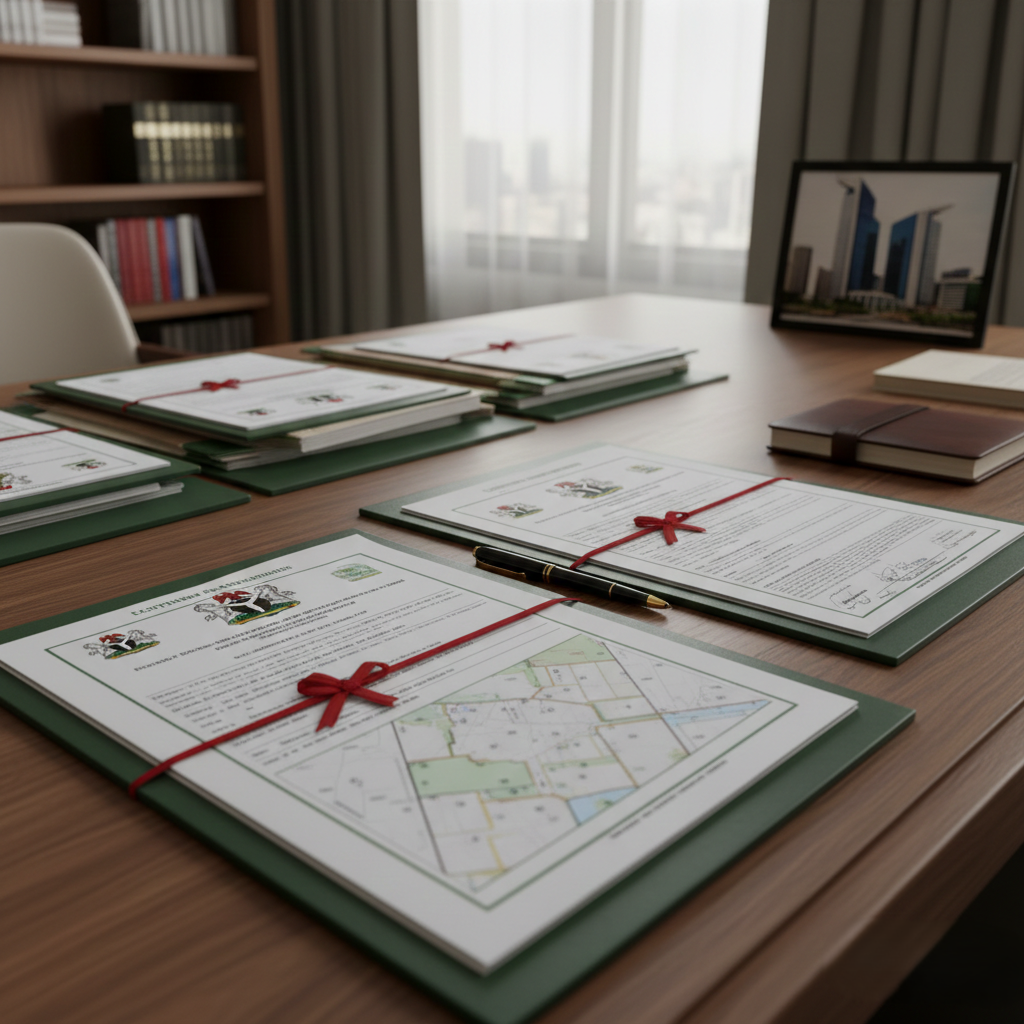
This step alone prevents years of regret.
3. Independent Physical Inspection Is Non-Negotiable
Someone must physically inspect:
- The exact location
- Boundaries
- Accessibility
- Existing disputes

A video call walkthrough is good. A professional inspection is better.
4. Use a Structured Payment Process
Avoid lump-sum transfers based on assumptions.
Payments should be:
- Milestone-based
- Document-backed
- Traceable
This protects you when things don’t go as planned.
5. Demand Updates and Written Reports
Remote buyers succeed when they:
- Receive regular updates
- Get visual evidence
- Maintain documentation trails

Silence is a warning sign.
Why Many Fail to Buy Property Remotely
- Over-trusting relatives or friends
- Rushing decisions out of excitement
- Skipping professional verification
- Fear of service fees (that later save millions)
Buying property in Nigeria without being physically present is possible — but only with structure.
IN OTHER NEWS: Firm advocates diaspora property purchase
Conclusion
Kunle eventually bought another property — this time through professionals.
Every step was verified. Have every document explained. And have every payment accounted for.
Today, his land is secure. Registered. Undisputed.

He learned the hard way, but you don’t have to.
Best Action To Take
Buying property from afar doesn’t have to end in regret.
Connect with House & Land Naija Today
🌐 Website: https://houseandlandnaija.com
📧 Email: hello@houseandlandnaija.com
📍 Offices:
Nigeria — 9 Moses Adebajo Street, Ojodu-Berger, Lagos
USA — 8500 Frederickburgs Lane, Houston TX 77083
Canada — 102-30 El-Tassi Drive, Winnipeg MB
📞 Call Us:
Nigeria: +234 707 491 3626 | +234 707 491 3631
USA: +1 (832) 847-5261
Canada: +1 (431) 990-3777
Don’t send money blindly. Buy with clarity. Buy with confidence. Let professionals guide you!
 Educational
C of O, Gazette, or Deed of Assignment: What Nigerian Property Buyers Must Understand About Land Documents in Nigeria
When Ifunanya finally decided to buy land in Awka, it felt like a turning point in her life. After ten years of working in Abuja, she wanted something permanent. Something hers. But she didn’t take into consideration the fact that land documents in Nigeria is a serious factor to consider before paying for any land.
The seller sounded confident. The land was cheap.
And the documents? “Very complete,” he said.
All she saw was a Deed of Assignment.

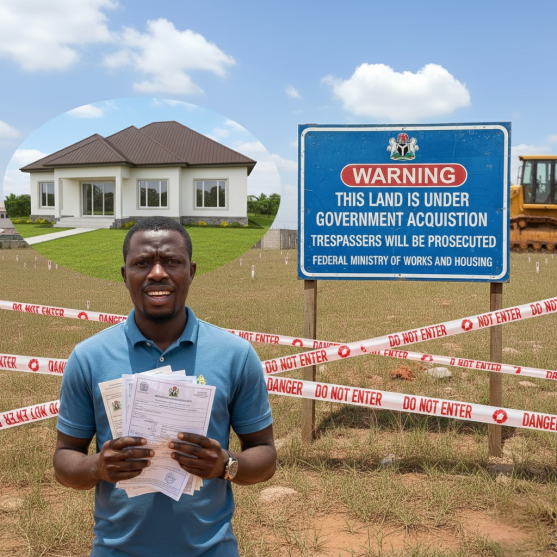
Two years later, bulldozers arrived.
The land was reclaimed by the government.
No compensation.
No warning.
What Ifunanya didn’t know was simple — not all Nigeria land documents offer the same protection. And misunderstanding them is one of the most expensive mistakes property buyers make.
Understanding Land Documents in Nigeria Before You Buy
1. What a Deed of Assignment Really Means
A Deed of Assignment only proves that ownership was transferred from one person to another. It does not confirm that the land is legally safe.
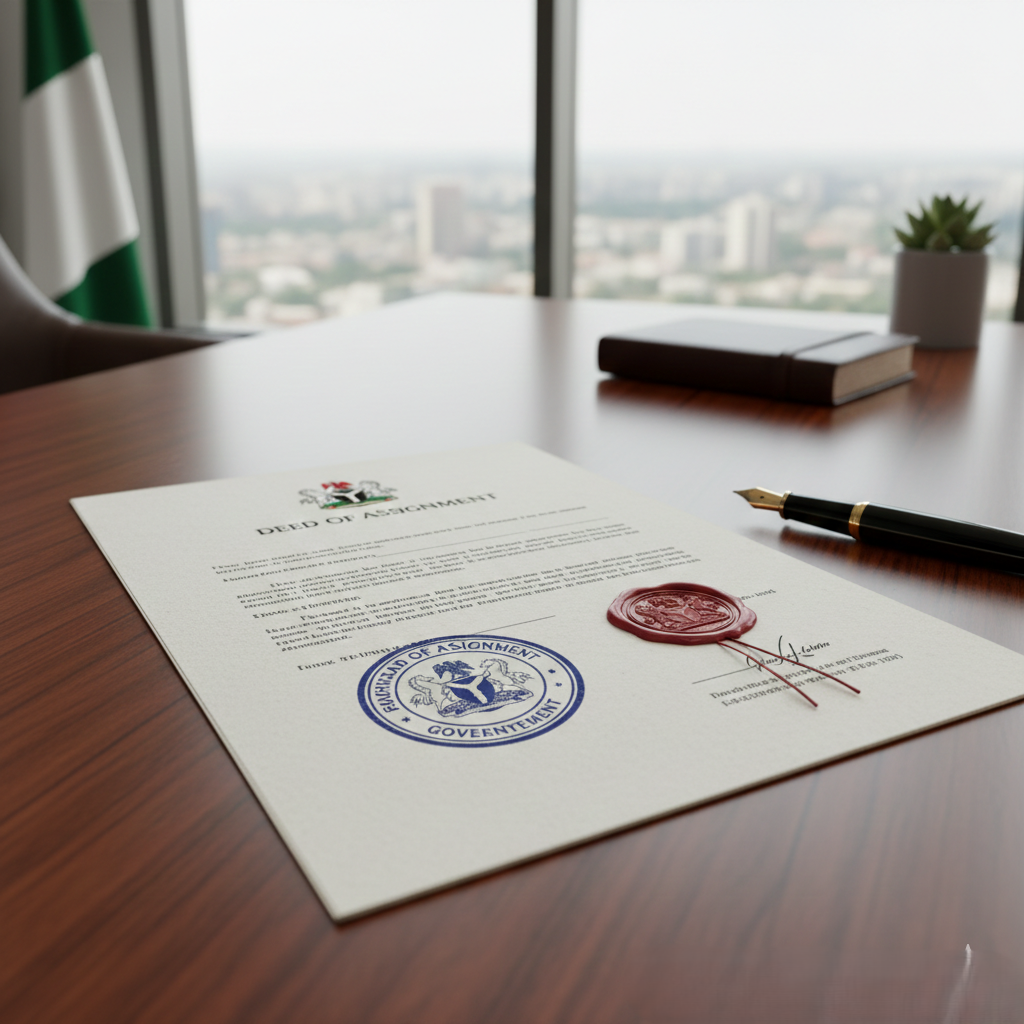
If the original owner had no valid title, the deed protects nothing.
2. What Gazette Means in Land Documents in Nigeria
A Gazette shows that land was once acquired by the government and later released to the public.
Important truth:
- Gazette ≠ automatic ownership
- You still need proper registration
Many buyers assume Gazette land is “fully free.” That assumption ruins people financially.
3. Why a Certificate of Occupancy (C of O) Matters Most
A C of O is the strongest land document in Nigeria.
It confirms:
- Government recognition
- Legal right to occupy
- Protection against future claims

No document offers stronger peace of mind.
4. Why Buyers Get Confused About Nigerian Land Documents
- Sellers oversimplify explanations
- Buyers rush decisions
- Emotional attachment clouds judgment
- Lack of professional verification
Land transactions are legal processes — not verbal agreements.
5. What Smart Buyers Do Differently
Smart buyers:
- Verify documents before payment
- Understand what each document covers
- Use professionals, not promises

Property mistakes don’t shout. They surface years later, when it’s too late.
IN OTHER NEWS: Common Construction Scams in Nigeria — And How Smart Property Owners Avoid Them
In Conclusion
Ifunanya now rents. The land she bought exists only in memory.
She says, “If I had understood land documents in Nigeria, I would still own that land today.”
Knowledge doesn’t just save money. It saves dreams, dignity, and future plans.
What You Must Do
Buying land without understanding documents is gambling. Buying with clarity is power.
Connect with House & Land Naija Today
🌐 Website: https://houseandlandnaija.com
📧 Email: hello@houseandlandnaija.com
📍 Offices:
Nigeria — 9 Moses Adebajo Street, Ojodu-Berger, Lagos
USA — 8500 Frederickburgs Lane, Houston TX 77083
Canada — 102-30 El-Tassi Drive, Winnipeg MB
📞 Call Us:
Nigeria: +234 707 491 3626 | +234 707 491 3631
USA: +1 (832) 847-5261
Canada: +1 (431) 990-3777
Before you pay for land, pay for clarity. Talk to professionals. Buy with confidence.
 Educational
Things to Check Before Buying Land in Nigeria: A Complete Buyer’s Guide
When Mr. Abraham finally returned from Canada for Christmas, he was excited. A family friend had “secured” a cheap land for him on the outskirts of Abuja. He didn’t realize that there were things to check before buying land in Nigeria.
The pictures looked perfect.
The price sounded like a miracle.
Three months later, bulldozers arrived.
Not to build his dream home — but to demolish everything on that land.
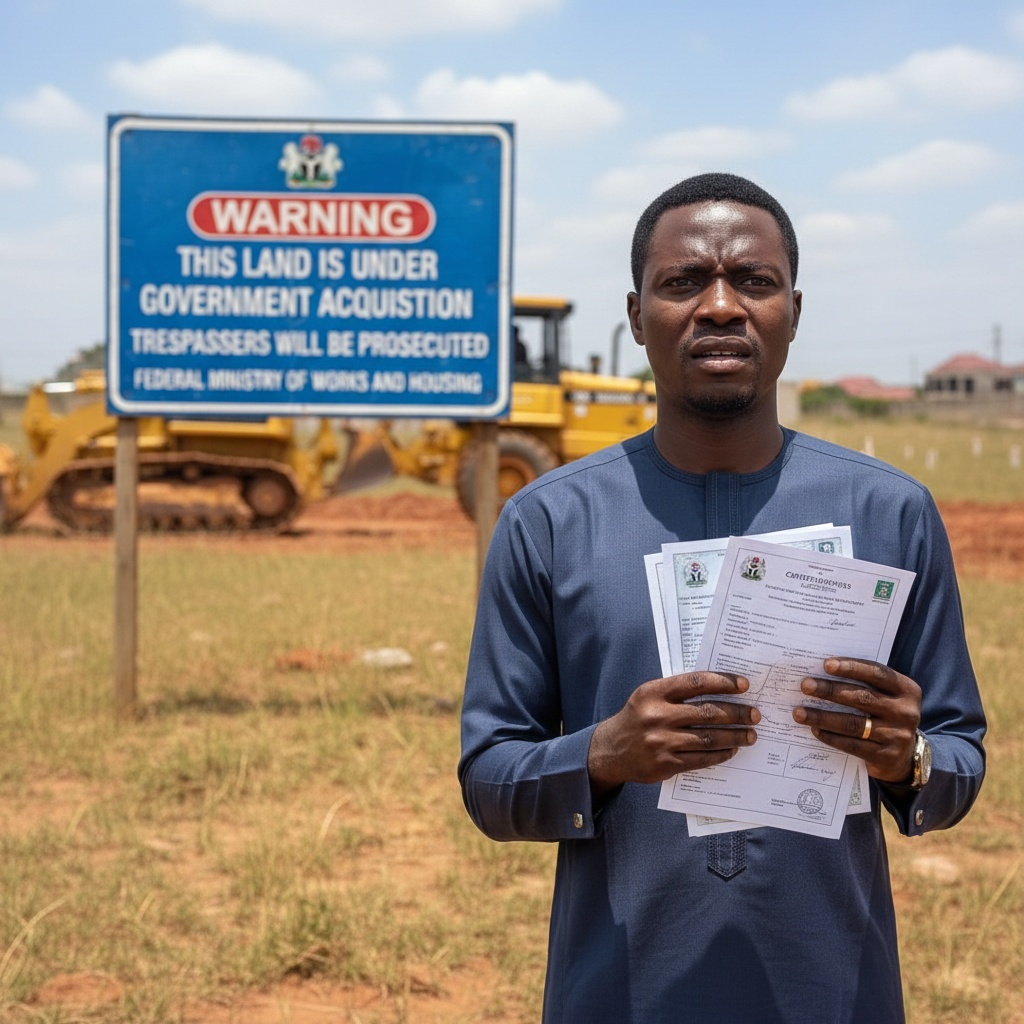
The land belonged to the government.
What started as excitement turned into silence, regret, and loss.
This painful experience is why every buyer must understand the things to check before buying land in Nigeria.
1. Verify Ownership — Don’t Trust Stories
Never rely on verbal assurances.
Ask for:
- Title documents
- Survey plan
- Seller’s means of identification
Confirm ownership at the land registry. One verification can save you millions.
2. Understand the Land Title
Not all land titles are equal.
Know the difference between:
- Certificate of Occupancy (C of O)
- Gazette
- Excision
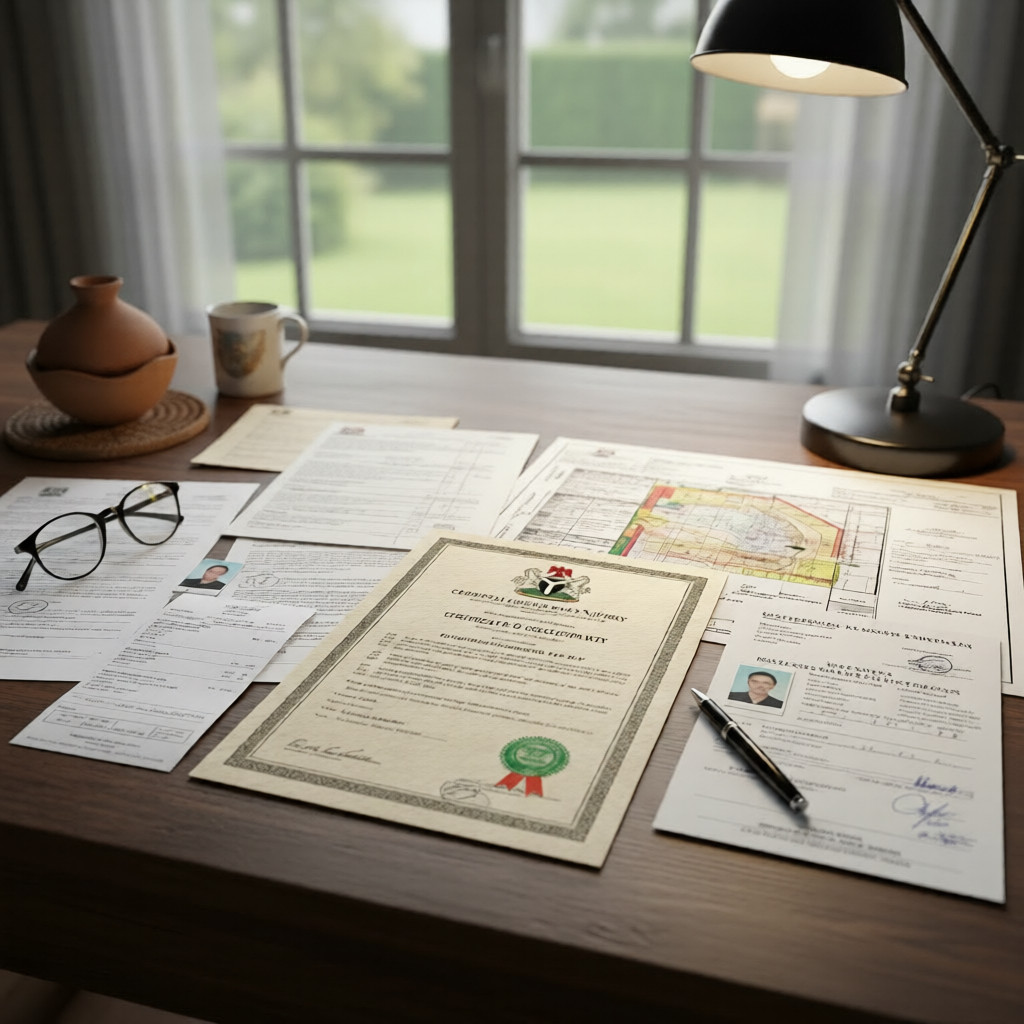
Each title affects:
- Security
- Resale value
- Development approval
If you don’t understand it, don’t buy yet.
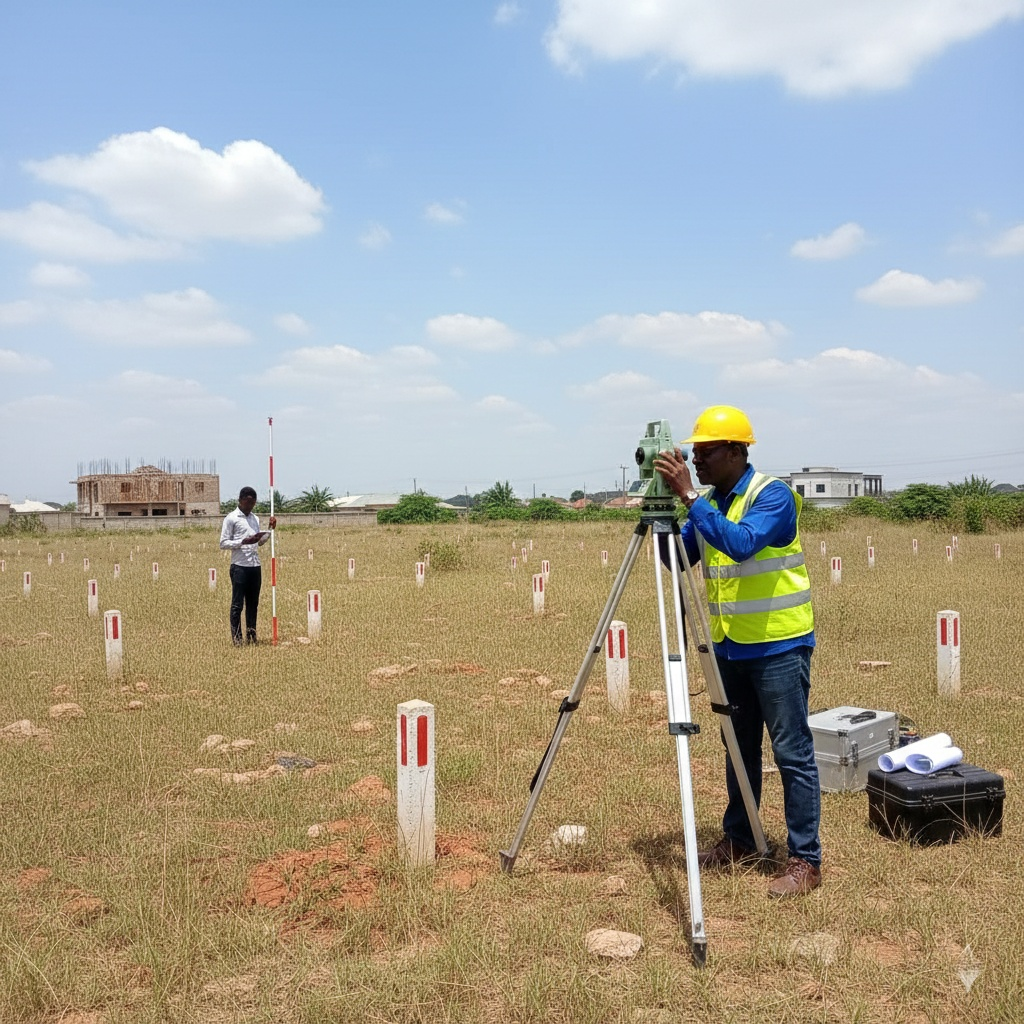
3. Conduct a Proper Survey
A registered surveyor will:
- Confirm boundaries
- Check government acquisition status
- Prevent encroachment issues
Skipping this step is gambling.
4. Inspect the Location Physically
Visit the land yourself.
Check:
- Road access
- Flood risk
- Neighborhood development
Pictures lie. Reality doesn’t.
5. Use Trusted Professionals
Many land problems come from “agents” with no accountability.
Work with professionals who:
- Verify documents
- Guide negotiations
- Protect your interest
This is especially important for diaspora buyers.
IN OTHER NEWS: Guide to buying property from companies in Nigeria
Conclusion
If Mr. Abraham had taken time to verify documents, inspect the land, and seek professional help, his story would have ended differently.
Buying land in Nigeria can be rewarding —but only when you do it right.
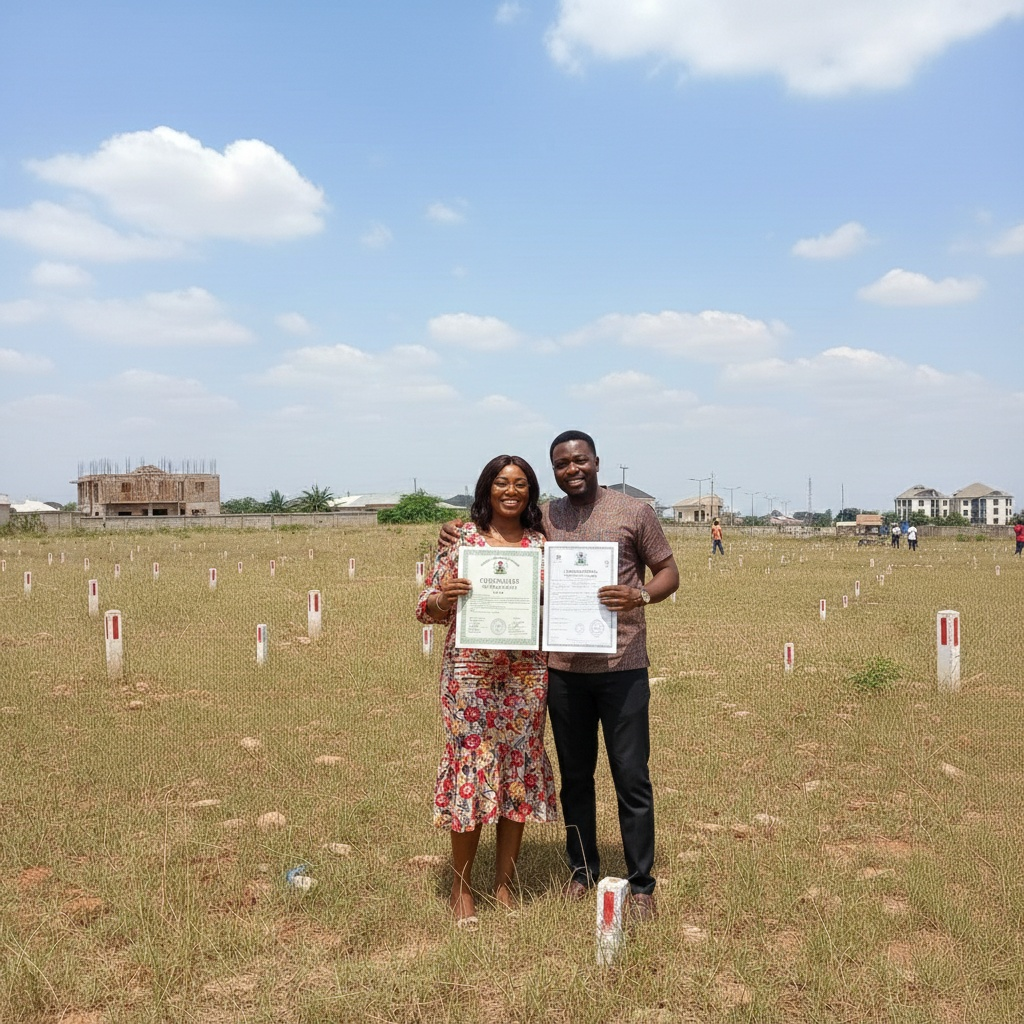
Knowing the things to look out for before trying to buy property in Nigeria protects your money, your peace, and your future.
Ready to Buy Property in Nigeria?
Connect with House & Land Naija Today
🌐 Website: https://houseandlandnaija.com
📧 Email: hello@houseandlandnaija.com
📍 Offices:
Nigeria — 9 Moses Adebajo Street, Ojodu-Berger, Lagos
USA — 8500 Frederickburgs Lane, Houston TX 77083
Canada — 102-30 El-Tassi Drive, Winnipeg MB
📞 Call Us:
Nigeria: +234 707 491 3626 | +234 707 491 3631
Canada: +1 (431) 990-3777
USA: +1 (832) 847-5261
👉 Before you buy any land, talk to us. We’ll help you verify, secure, and invest safely.
 House and Land Naija
Find Your Dream Property in Nigeria: Why House & Land Naija Is the First Stop for Verified Nigerian Real Estate Listings Online
From Heartache to Home
Imagine living thousands of miles away — perhaps in Toronto, Houston, or London — and hearing your family back home excitedly talking about a property they saw online. You ask for the link, click, and… it looks perfect. A beautiful apartment in Lagos. A fertile parcel of land in Abuja. A promising estate plot in Port Harcourt. You smile, hopeful that this is the one you’ve been waiting for. You feel convinced that this must be a verified Nigerian property listings online.
Then reality hits: emails go unanswered. The supposed agent turns ghost. The “title documents” are questionable. Your dream begins to feel like another online mirage — just out of reach.

This is the story of far too many Nigerians — at home and abroad — who fall victim to fake listings, unclear documentation, and unverified property deals. But what if there was a safer, smarter way to find your next property? A trusted platform where every listing is verified, every price is transparent, and every property has clear documentation?
Welcome to Houseandlandnaija.com — your digital gateway to verified Nigerian property listings online. Here, your investment becomes real, secure, and truly yours.
🏡 Why You Should Always Visit Houseandlandnaija.com First
When it comes to buying property in Nigeria — whether you’re in Lagos, Abuja, Port Harcourt or any emerging market — your first step should always be finding a reliable, verified listing. That’s exactly what House and Land Naija offers:
✔ Verified Nigerian Property Listings Online
Every property on the platform comes with clear documentation, verified title history, and professional vetting — so you never have to guess or worry about shady deals.
✔ Transparent Information
Forget vague adverts. You’ll see prices, locations, sizes, and verified documents — all right on the website. Plus, you can browse by houses, lands, and commercial properties.
✔ Convenient Search & Personalized Experience
Filter by city, price range, property type, or investment goal — whether you’re buying a family home, an income property, or land for development.
READ MORE: Luxury 2-Bedroom Apartment (N120m)
5-Bedroom Fully Detached Duplex in Lekki (N460m)
🏙️ Featured Properties You Can Explore Today
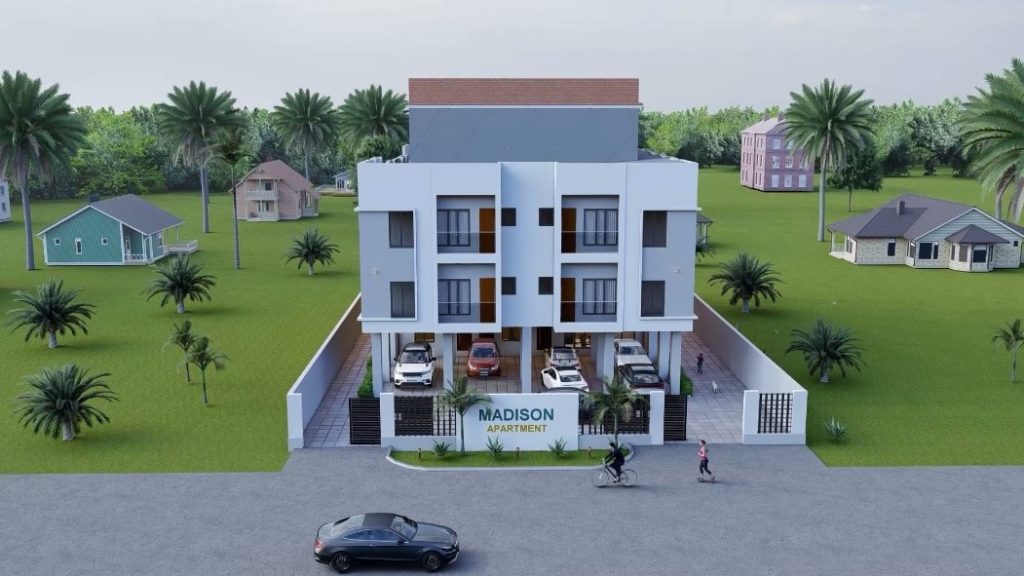
1. 3-Bedroom Madison Apartment — Lagos (Surulere)
🏡 Price: ₦100,000,000
📍 25 Alhaji Salami Close, Brown Road, Aguda, Surulere
Experience modern living with smart design, fully fitted kitchen, secure gated environment, and amenities that appeal to families and investors alike. This property is ideal for long-term gain or rental income.
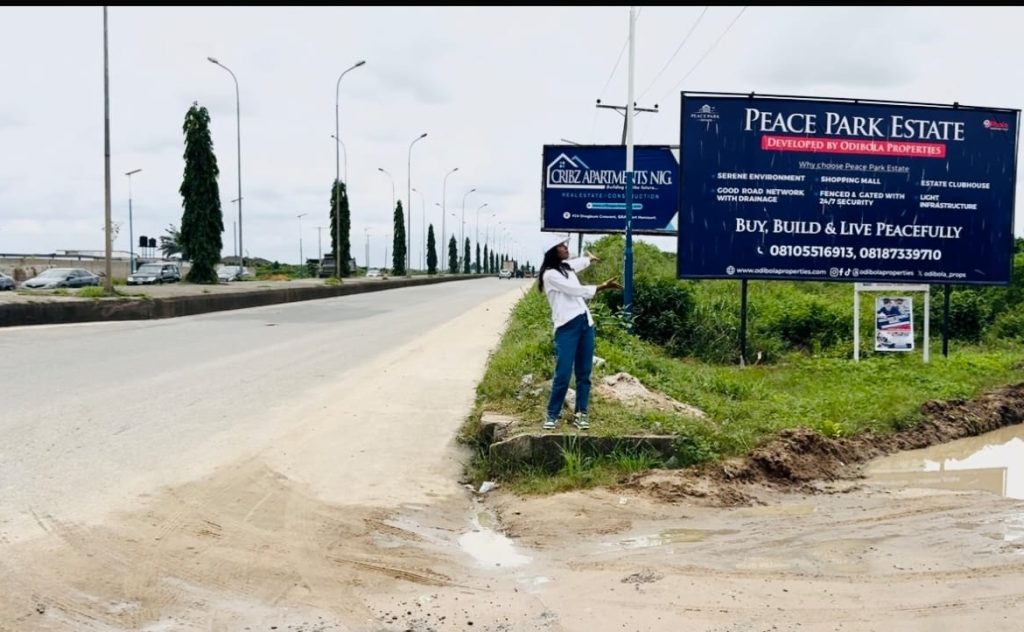
2. Peace Park Estate – Port Harcourt
🌳 Price: ₦25,500,000 (465sqm)
📍 Off New Airport Road, Behind OPM Church, Port Harcourt
Secure and accessible land with modern infrastructure, proper drainage and 24/7 security — perfect for building your dream home or long-term investment.
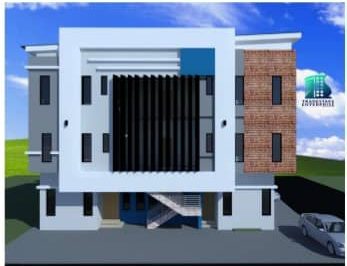
3. The Whit 2-Bedroom Apartment, Surulere, Lagos
📍 Price: ₦100,000,000
Located in one of Surulere’s newest ultra-premium address. Each residence is crafted with exceptional attention to detail, offering spacious layouts, premium finishing, modern kitchens, serene bedrooms, and a refined ambiance designed for comfort and class.
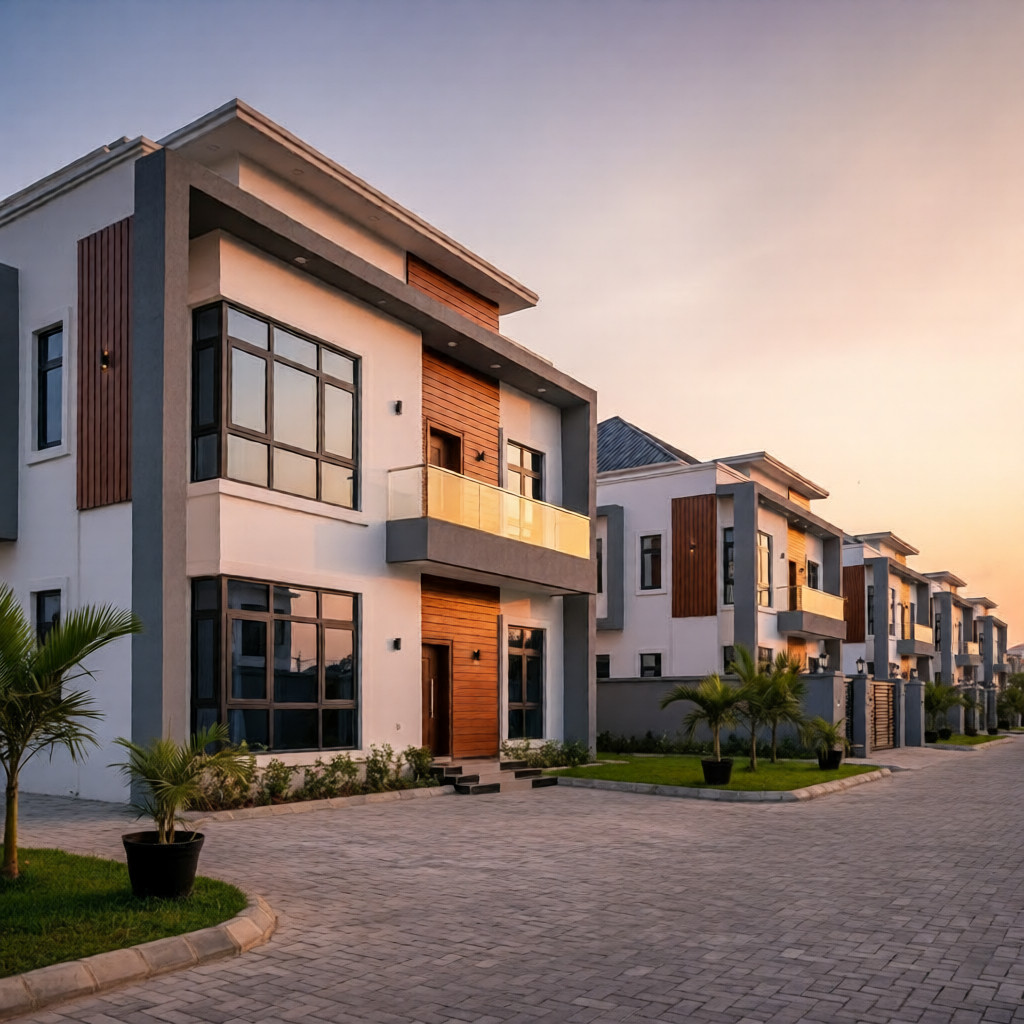
4. 5-Bedroom Duplex – Greenlight Estate, Lagos
🏡 Price: ₦100,000,000
A spacious, family-friendly duplex in Ayobo with full plot access, private compound, and verified Certificate of Occupancy (C of O).
IN OTHER NEWS: Over 60% of Nigeria’s property listings inaccurate – Oikus
🌍 How House and Land Naija Supports You
House and Land Naija isn’t just another property website — it’s your trusted estate partner with:
✔ A team of veteran professionals in real estate, legal, construction, and town planning
✔ A strict “Triple T” verification: True Property, True Value & True Stakeholders
✔ Transparent pricing based on real market value, not guessing
✔ Seamless navigation and focused property browsing experience
🧠 What This Means for You
Whether you’re buying your first home, investing for the future, or securing a place for your family to thrive, Houseandlandnaija.com gives you:
- Verified listings you can trust
- Transparency in pricing and documentation
- A streamlined, worry-free browsing experience
So the next time you think “I want to buy property in Nigeria”, think verified Nigerian property listings online — visit Houseandlandnaija.com first!
📢 Time to Take Action
Don’t make another investment decision without the right information. Head to Houseandlandnaija.com now and start browsing verified Nigerian property listings online that match your goals — whether at home or abroad!
Contact House and Land Naija Today:
🌐 https://houseandlandnaija.com
📧 hello@houseandlandnaija.com
📞 Nigeria: +234 707 491 3626 | +234 707 491 3631
📞 Canada: +1 (431) 990-3777
📞 USA: +1 (833) 323-4927
House and Land Naija — Your home starts here.