
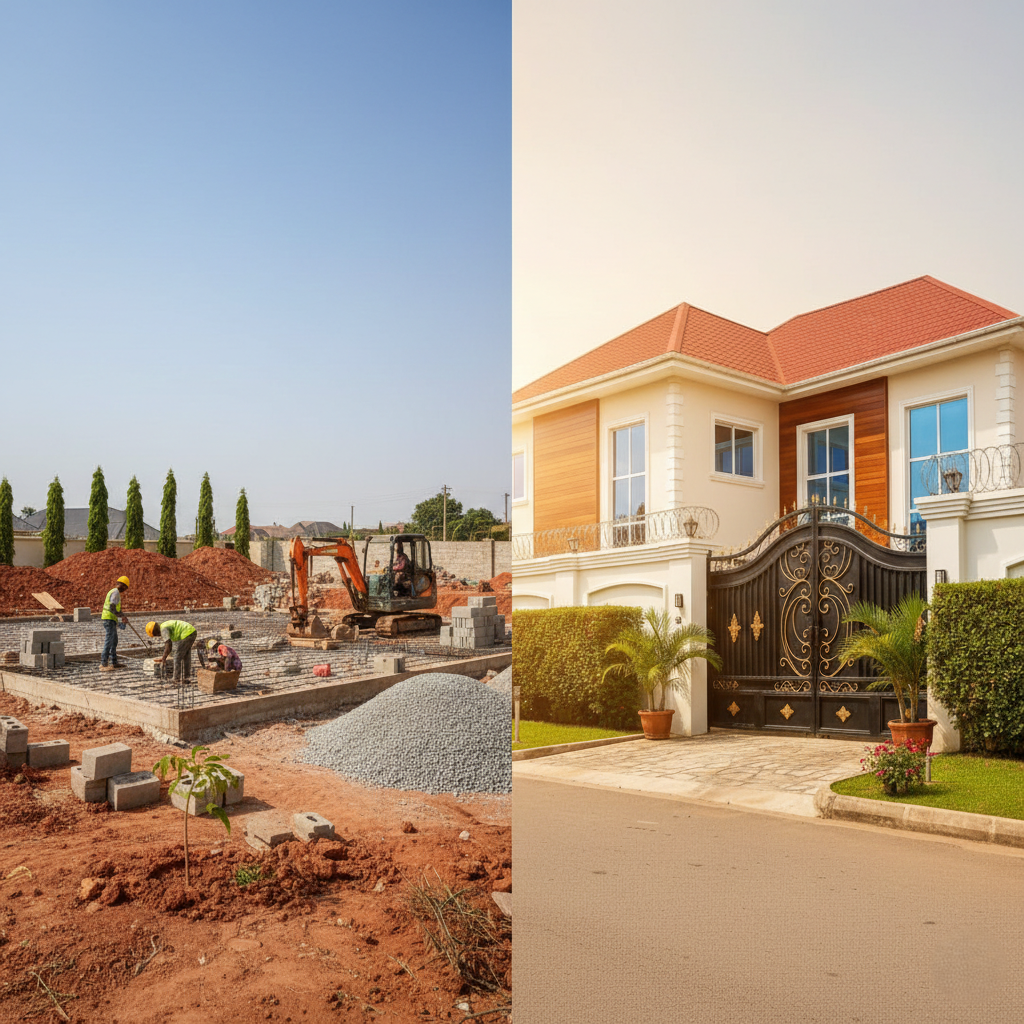
 Build in Nigeria
A few years ago, Akin, a young Nigerian professional living in Tokyo, Japan, proudly bought his first apartment in Abuja. His plan was simple: renovate slightly, resell quickly, and move on to the next deal. He, like many other Nigerians, did not view property as a long-term asset; it was just a means to make quick money.

But the market didn’t move as fast as he expected. Buyers negotiated aggressively. Holding costs increased. What was meant to be a quick profit turned into months of waiting.
Eventually, instead of selling, Akin rented the property out. Years later, that same apartment — held patiently — appreciated far beyond what the original flip would have earned. That’s the quiet power of viewing property as a long-term asset instead of a quick flip.
READ MORE: Rental Income in Nigeria: What People Don’t Talk About Before Investing
Property as a Long-Term Asset Builds Stability
When you approach property as a long-term asset, your decisions change.
You care more about:
- infrastructure growth
- rental demand
- structural quality
- long-term livability
Instead of chasing short-term price differences, you focus on durability and location fundamentals. In Nigeria, where markets fluctuate and development unfolds gradually, patience often outperforms urgency.
Property as a Long-Term Asset Reduces Pressure
Quick flips depend heavily on timing. If market demand slows, profits shrink. But property as a long-term asset allows time to work in your favor.
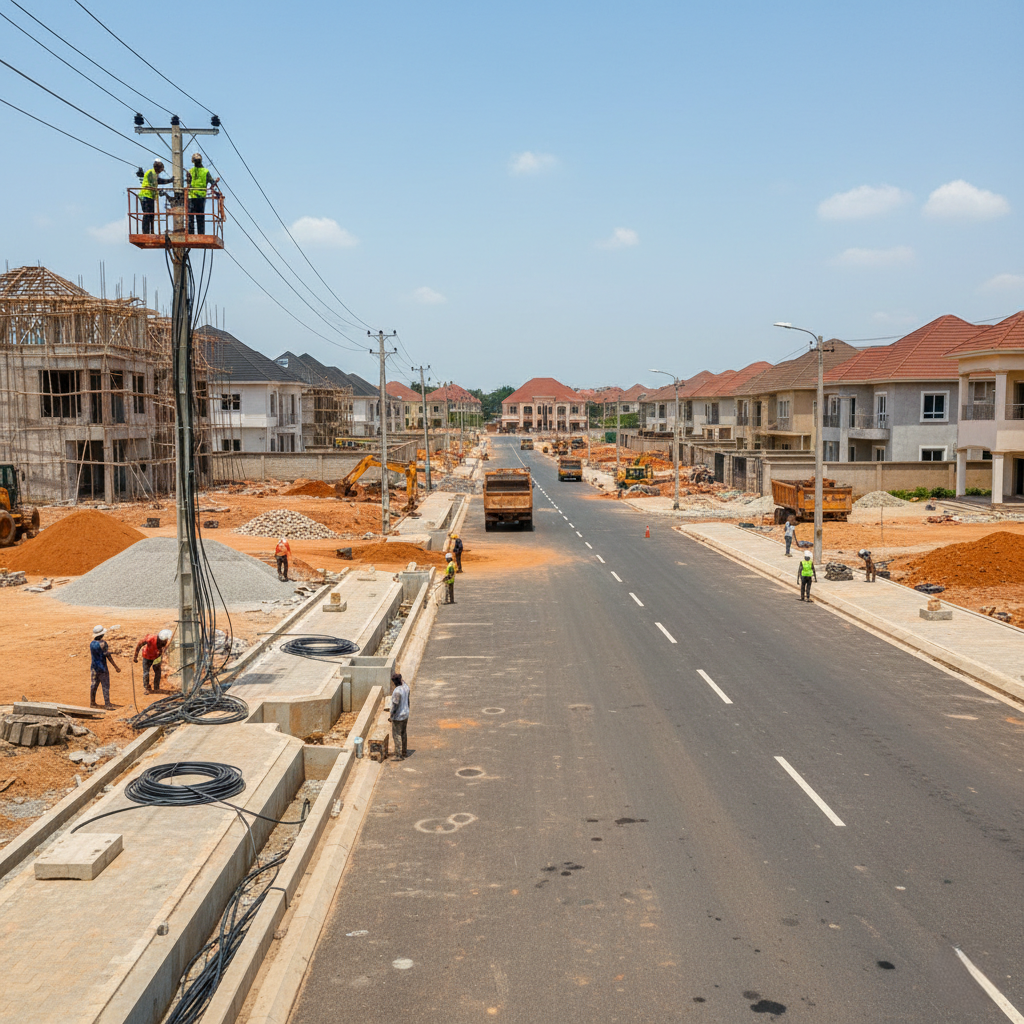
Rental income supports holding costs. Infrastructure projects increase surrounding value. Population growth strengthens demand.
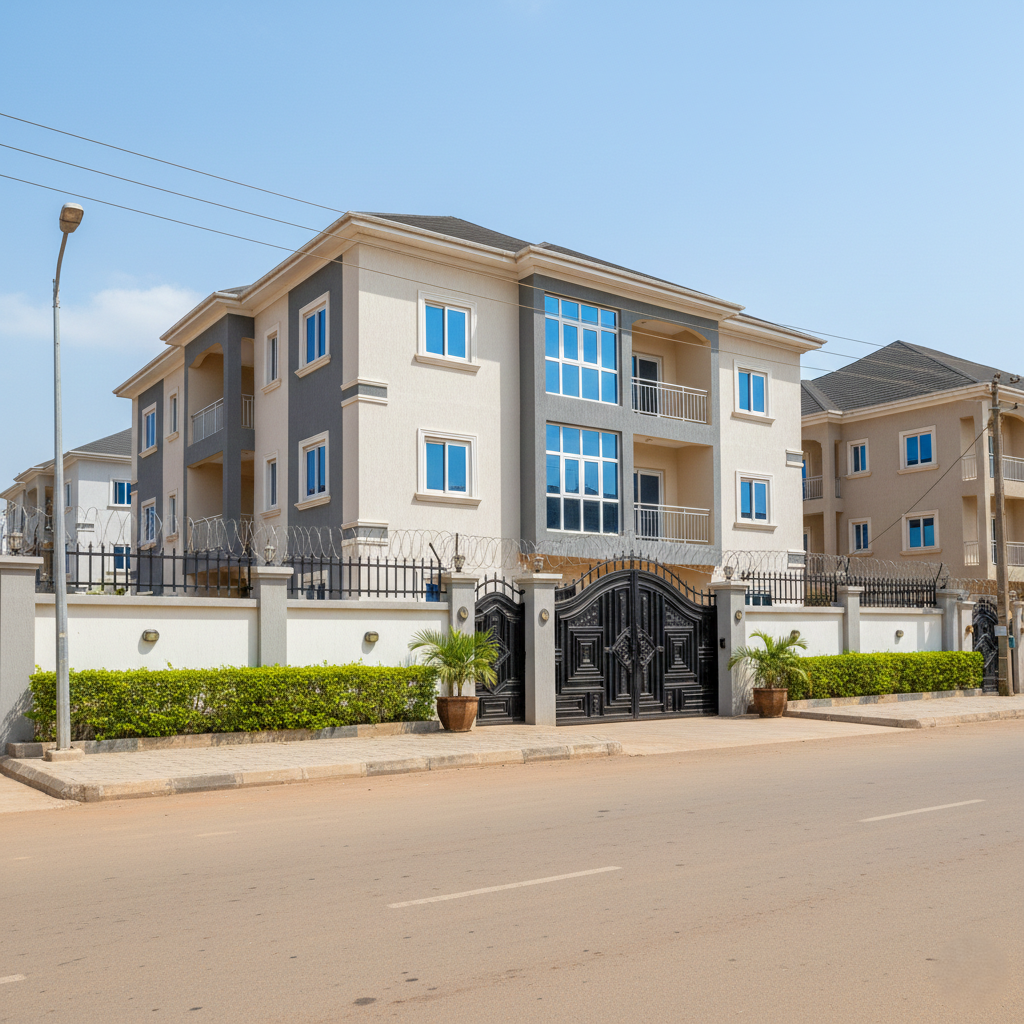
Long-term ownership absorbs temporary market slowdowns better than short-term speculation.
Property as a Long-Term Asset Encourages Better Choices
When flipping, cosmetic upgrades often take priority. When investing long-term, quality matters more than appearance.
Stronger foundations. Reliable plumbing. Durable roofing. Sustainable maintenance plans.
When you buy property that you intend to own in the long-term rewards thoughtful construction and consistent upkeep — not shortcuts.
The Quiet Advantage of Time
Nigeria’s real estate history shows something consistent: well-located properties held over time tend to appreciate. Not overnight. Not dramatically every year. But steadily.
Many seasoned investors will admit this privately: their best-performing properties were the ones they almost sold too early.
A Different Way to Measure Success
The young investor who planned a quick flip now sees his property differently. It provides steady rental income. Its value has grown. And it offers flexibility — sell when ready, not when pressured.
Property as a long-term asset isn’t about avoiding profit. It’s about building it sustainably.
IN OTHER NEWS: Your Property, Perfectly Managed
A Thought Before Your Next Purchase
Ask yourself: Am I buying for speed — or for stability?

Because the strategy you choose shapes the outcome you get.
Keep The Right Focus
If you’re considering property investment, think beyond short-term gains. Focus on structure, location, and sustainability.
A long-term mindset often builds stronger returns — and greater peace of mind.