
 Educational
Buying From Individuals vs Estates: What to Watch For Before You Pay
A buyer once shared a story that stayed with me. He had found what seemed like the perfect property in Lagos. The price was fair. The location was solid. The seller was polite and confident. Documents were presented. Everything looked straightforward. But he didn’t know that there is a difference between buying from individuals vs estates.
Six months after payment, a letter arrived from a lawyer. The property, he discovered, was part of a family estate. Not all beneficiaries had signed off. What followed was not construction or renovation — but court dates and stress.

This is why buying from individuals vs estates in Nigeria requires more than surface-level checks. It’s not about suspicion. It’s about structure.
READ MORE: How to Buy Property in Nigeria Without Being Physically Present
Buying From Individuals vs Estates: Understanding the Difference
When buying property in Nigeria, transactions usually fall into two broad categories:
- You’re buying directly from an individual owner.
- You’re buying from an estate — meaning the property belonged to someone deceased and is now controlled by heirs or administrators.
At first glance, both may look the same. But legally and practically, they are not. Understanding the difference is the first step in safely navigating buying from individuals vs estates.
Buying From Individuals vs Estates: When the Seller Is an Individual
Buying from a living individual can feel simpler. There is usually one primary decision-maker. Documents are often easier to trace. But simplicity can be misleading.

Before paying, you must confirm:
- The seller is the true owner listed on the title.
- There are no outstanding disputes.
- The property is not jointly owned without disclosure.
- There are no encumbrances or pending legal issues.
Even in individual sales, due diligence is not optional.
Buying From Individuals vs Estates: The Extra Layer of Estate Sales
This is where caution becomes even more important. When a property forms part of an estate, it means ownership has transitioned due to death. Legally, that property cannot simply be sold by one family member unless proper authority has been granted.
Things to verify include:
- Has probate or letters of administration been obtained?
- Who are the legally recognized administrators?
- Have all beneficiaries consented?
- Is there written, documented approval for the sale?
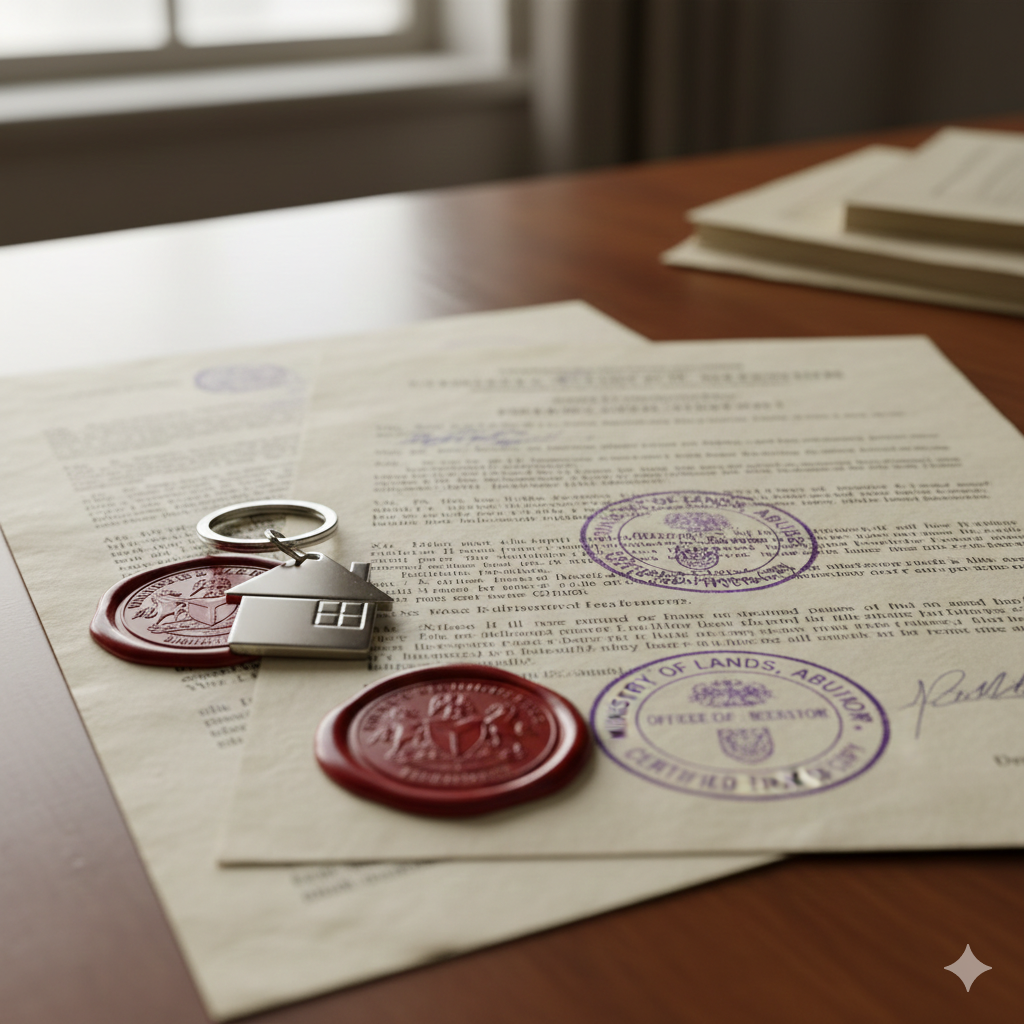
Buying from individuals vs estates becomes risky when buyers assume family agreement equals legal authority. They are not the same.
Emotional Pressure and Family Dynamics
Estate properties often come with urgency.
A family may want to “settle matters quickly.” You may hear phrases like:
- “We have all agreed.”
- “We are all one family.”
- “Don’t worry, everything is fine.”
In many cases, they mean well. But family dynamics can change after money changes hands.

Buying from individuals vs estates requires protecting your investment from future disagreements that haven’t happened yet.
Why Professional Verification Matters
One of the most overlooked risks in buying from individuals vs estates is incomplete documentation.
A proper review at the Land Registry, verification of probate records, and confirmation of consent signatures can prevent years of legal entanglement.

The cost of verification is always smaller than the cost of litigation.
A Quiet Lesson Many Learn Too Late
The buyer I mentioned earlier eventually resolved his case — but not without legal fees, delays, and emotional exhaustion.
The property was not the problem. The process was.

Buying from individuals vs estates is not inherently dangerous. Many successful transactions happen every day. The difference lies in whether the buyer approached the process casually or carefully.
IN OTHER NEWS: Land banking: The sleeping goldmine in Nigeria’s real estate market
A Thought Before You Transfer Funds
Property in Nigeria is not just an asset — it’s layered with history, family ties, and legal structure.
Before you make payment, pause.
Ask questions.
Verify documents.
Insist on clarity.
Because once money changes hands, reversing mistakes becomes much harder.
WHAT YOU SHOULD DO
If you’re considering buying property and are unsure whether it’s an individual or estate sale, take time to understand the structure behind the transaction.
A calm, informed decision today can save years of avoidable stress tomorrow.