 House and Land Naija
Rental Income in Nigeria: What People Don’t Talk About Before Investing
A friend once called, excited. He had finally bought a small apartment in Lagos — something he’d planned for years while working abroad. The math looked good. Rent would come in yearly, the property would appreciate, and life would move on. However, he didn’t realize that rental income in Nigeria is not always that easy to calculate.
Six months later, the tone of his calls had changed.

The apartment stayed empty longer than expected. A tenant moved in and delayed payment. A “small plumbing issue” became a major repair. By the time rent finally came in, most of it went back out.
This is the side of rental income in Nigeria that people rarely talk about.
READ MORE: Why “Cheap Land” Is the Most Expensive Mistake Nigerians Make When Buying Land in Nigeria!
Rental Income in Nigeria Is Not Passive by Default
One of the biggest myths around rental income in Nigeria is that it’s automatic.
Buy a property.
Find a tenant.
Collect rent.
In reality, rental income requires active decisions, especially in the first few years. Location, tenant quality, property condition, and management all affect whether income flows smoothly or becomes a constant source of stress.
Rental Income in Nigeria Depends Heavily on Demand, Not Hype
Many investors buy based on what sounds popular. But demand is quieter than hype.

Rental income in Nigeria is strongest where:
- people already live and work
- access roads are reliable
- power and water are manageable
- tenants can realistically afford the rent
A beautiful apartment in the wrong area can stay empty longer than a modest one in the right location.
Vacancy Periods Are Part of the Reality
This is something people don’t like to admit. Even good properties experience vacancy. And every empty month eats into your projected rental income in Nigeria.
Smart investors plan for:
- vacancy periods
- repainting and minor fixes
- marketing time between tenants
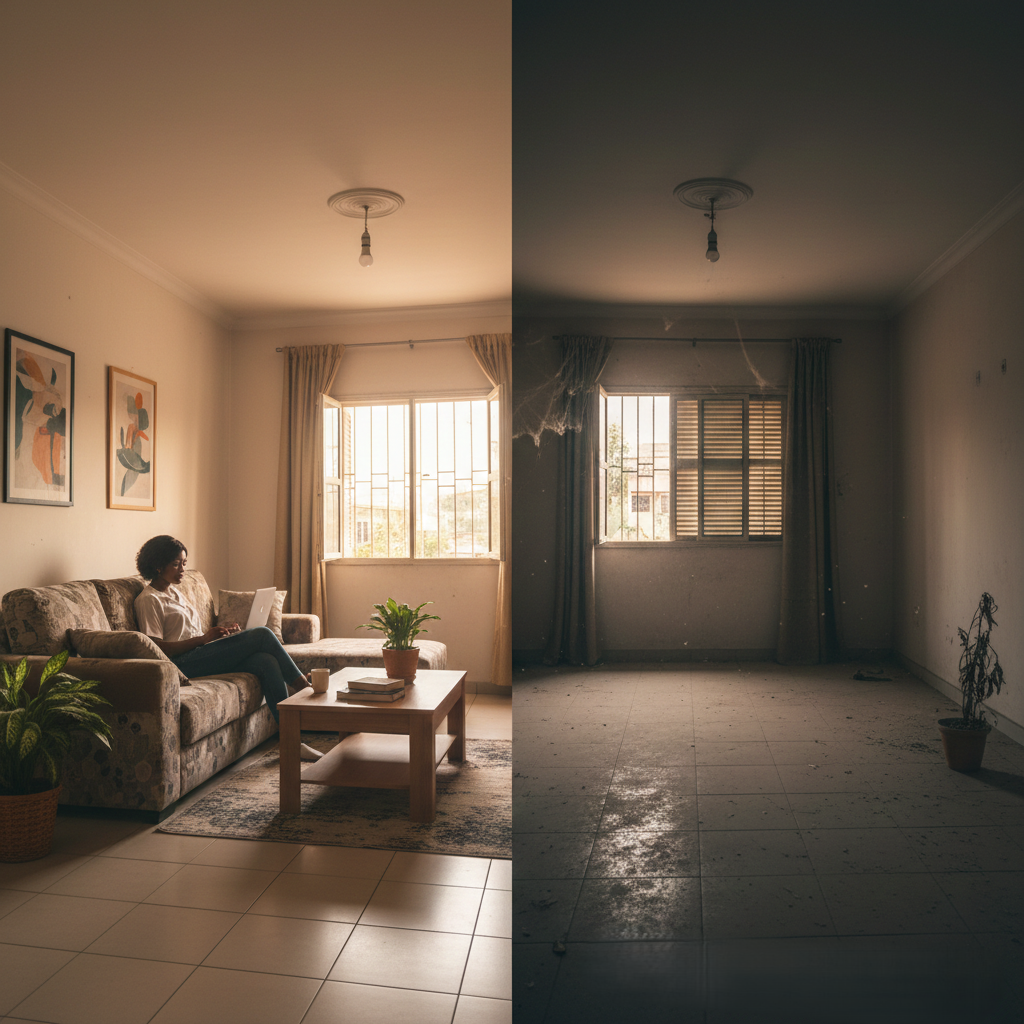
Rental income works best when expectations are realistic, not optimistic.
Tenants Matter More Than the Building
Another uncomfortable truth: the tenant can make or break your experience.
Late payments, poor maintenance habits, or constant complaints all affect cash flow and peace of mind. Screening tenants properly is not being difficult — it’s being responsible.
This is why many investors eventually move away from informal, family-managed rentals toward more structured management.
Maintenance Quietly Shapes Rental Income in Nigeria
Maintenance is rarely discussed when people talk about income the at comes from renting properties in Nigeria. Yet it’s one of the biggest factors affecting long-term returns.

Small issues ignored early — leaks, wiring, drainage — grow quietly and become expensive later. Properties that are maintained consistently attract better tenants and experience shorter vacancy periods.
Rental Income Is a Long Game
Earning income from renting properties across Nigeria rewards patience.
The first year often feels tight. The second year feels clearer. Over time, as rent stabilizes and the property settles, income becomes more predictable.
The mistake many people make is expecting immediate ease.
IN OTHER NEWS: DIY Electrical and Plumbing Repairs in Nigeria: When “Managing It” Turns Into Regret
The Part Most People Learn Too Late
The friend I mentioned earlier didn’t make a bad investment. He made an uninformed one.
Once he adjusted expectations, improved tenant screening, and put proper management in place, the property became what he hoped it would be — not perfect, but steady.
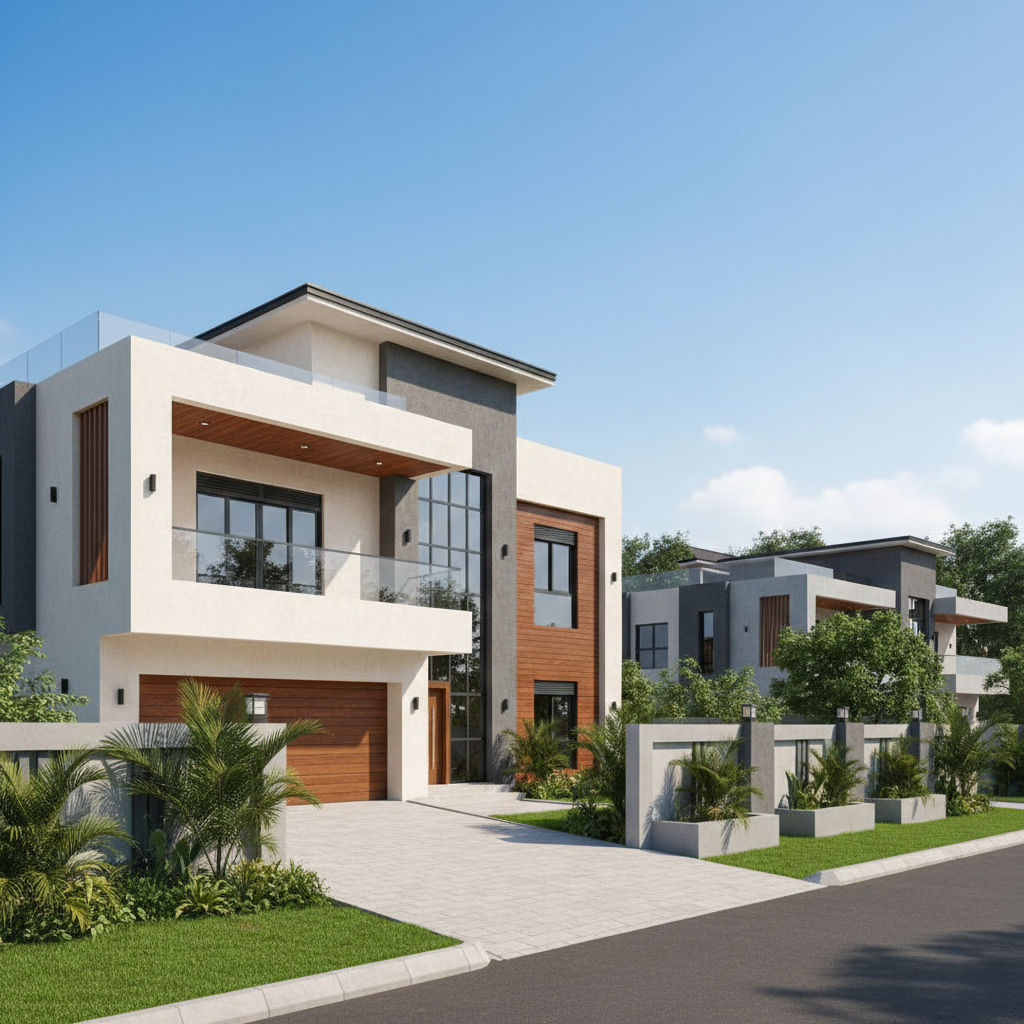
Rental income in Nigeria works best when approached with clarity, not assumptions.
TAKE ACTION BEFORE YOU BEGIN
If you’re considering property as a source of rental income, take time to understand the full picture — not just the numbers, but the realities behind them.
The right information upfront can save you years of frustration later.